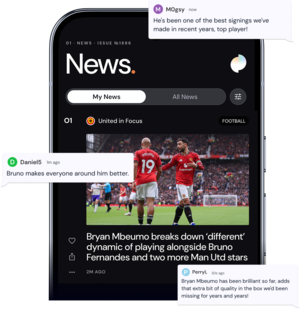


Manchester United got a double transfer boost recently as they followed an agreement for Bryan Mbeumo with a loan for Marcus Rashford.
Bryan Mbeumo’s move was agreed after Man Utd’s third bid, with the payment terms favourable for the club in a win for the negotiating team.
On the other hand, Marcus Rashford moving on was equally as big a boost, United aren’t paying his wages, effectively paying for the first Mbeumo instalment.
However, going under the radar is an unpopular detail in Rashford’s move to Barcelona. Man Utd have been here before, and it’s a double-edged sword.

Unpopular detail repeated in Marcus Rashford to Barcelona
It can be argued that all parties got what they wanted from Rashford’s move to Barcelona.
United no longer have the spectre of Rashford and his wages hanging over the club, the player gets his dream move, and Barcelona’s gamble on a stressed asset can lead to a brilliant return if things fall right.
Barcelona hold an option to make the deal permanent for £26m, and their intention to do so has been reported earlier.
However, in case they don’t, United have inserted a penalty clause in the deal, similar to what they did with Jadon Sancho’s move to Chelsea.
This time, the penalty is less than £5m, which was the amount in Sancho’s case, but that’s understandable since Chelsea had an obligation to buy, while Barcelona have an option.
Nevertheless, Sancho coming back due to that clause was a deeply unpopular development, and the links since then suggest United will take a bigger loss on him than they would have had Chelsea just paid up £25m.
At the same time, the practice of putting penalty clauses is a double-edged sword as well.
Penalty clause is a uniquely Man Utd phenomenon for now
The perils of a penalty clause leaving United open to an unexpected and unwanted return have been discussed above, but Ineos deserve to be cut some slack.
Considering the contracts the Glazers gifted these players, inserting penalty clauses while sealing loan moves is a way to make the best of a terrible situation.
United are future-proofing themselves to a certain extent and earning back some money on players who would never find a permanent buyer on their wages.
Sending them on loan every year with salary coverage and a penalty at the end is a much better option than freezing them out while paying their wages.
Ideally, they would get rid permanently, but the Glazers’ contracts have made that scenario impossible. Penalty clauses in loan contracts are a uniquely Man Utd phenomenon for now.
It seems counter-productive from the outside, but the finer details prove it’s the best outcome in a bad situation.
Receive a digest of our best United content each week direct to your mailbox