

Just when it seemed like the winds of change at Old Trafford were settling and the structure was finally in place, Ineos threw a curveball again.
Since coming into the club, there haven’t been many weeks that have come and gone without a major announcement regarding a change at Manchester United.
Fans have welcomed pretty much every change, and the positive effects of it were clearly seen in the transfer window.
The new team acted with newfound surgical precision and improved the Manchester United squad vastly, supplemented by income from sales.
- READ MORE: Manchester United confirmed signings, transfers in, out, loan exits, releases for 2024/25
However, as soon as the window finished, the departure of a key part of it was set in motion, with Andy O’Boyle set to leave the club.
There are clear signs, however, that this is, indeed the last change.
Unpacking the latest change
Andy O’Boyle was the deputy director of football at United, initially appointed to work under John Murtough, whose job was taken by Dan Ashworth.
Leading up to the summer, United had undergone a massive overhaul in pretty much every department in the club so O’Boyle was expected to join in.
However, this is where Ineos drew the line, and O’Boyle was kept on for the summer, where he worked with the new team to engineer many deals, ins and outs.
After a successful window, his departure comes as a surprise, but it shouldn’t because if there’s one thing that Ineos have made clear, it is the clear vision with which they approach things.
O’Boyle just didn’t fit into that vision, with his job title simply not existing in the structure and the man himself being far too qualified to accept a change or a demotion.
Therefore, this was always likely to be a short-term arrangement, a vehicle for a modicum of continuity as United walked into a transfer window with a completely new team.
Manchester United’s final executive structure
With that departure, the sole sticking point in the current structure is now out and there is a clear hierarchy set in place for the workflow.
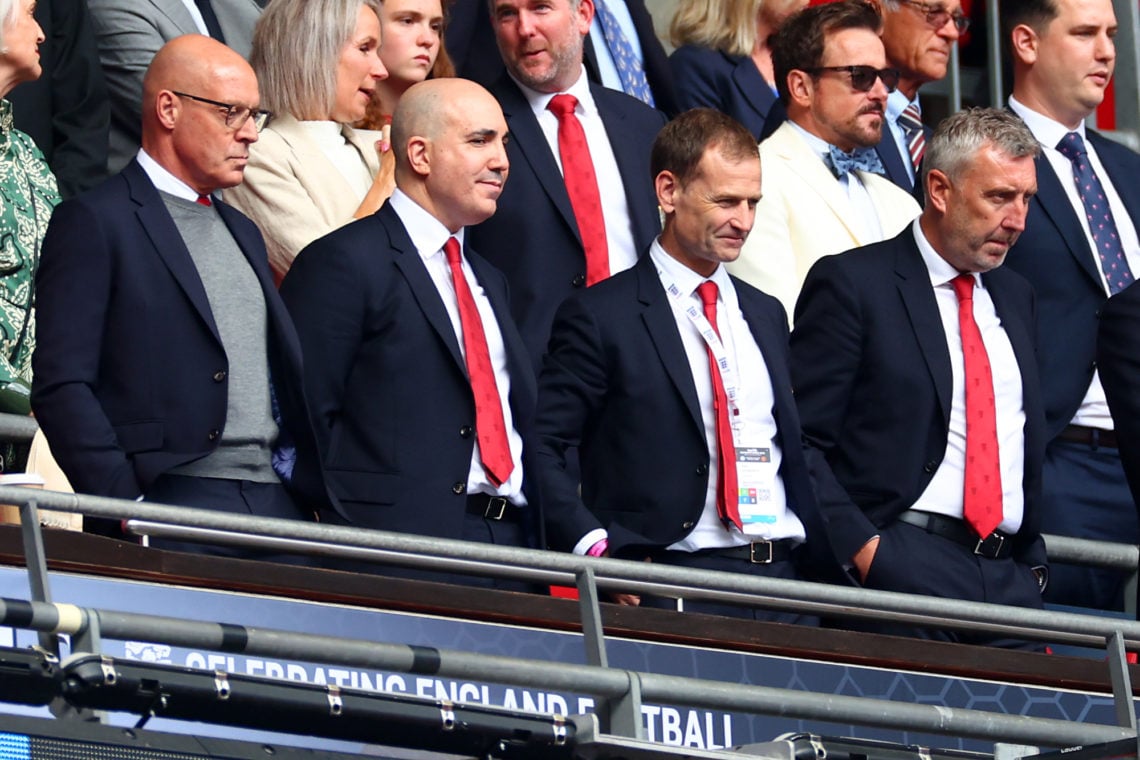
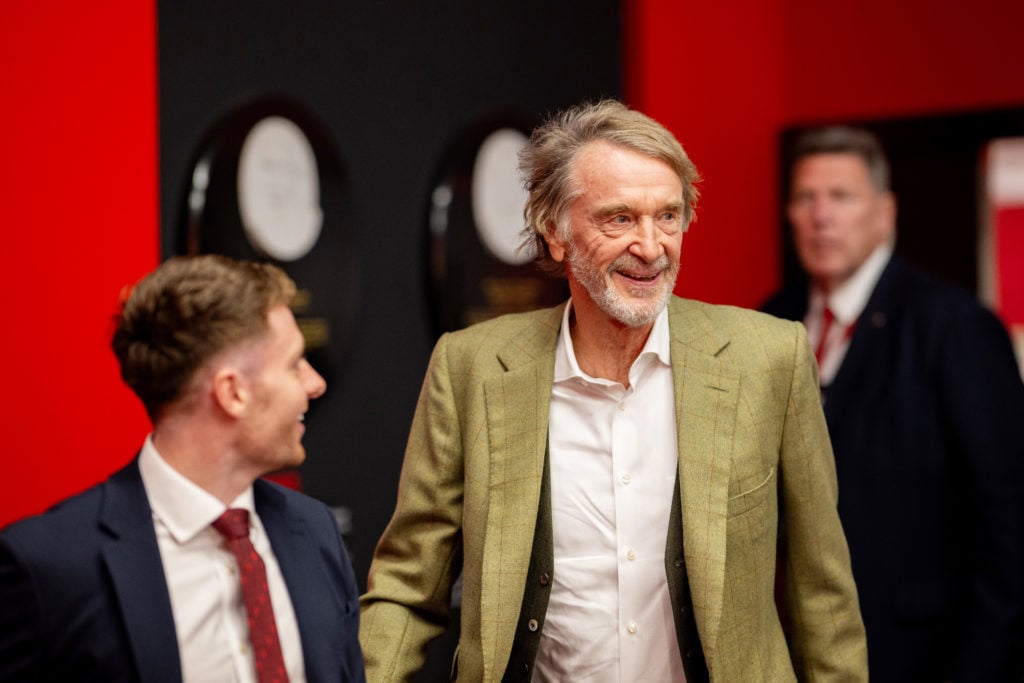
At the head of the table sits Sir Jim Ratcliffe, the man with the deep pockets who, along with the Glazers, signs the cheques.
Right below him is Sir Dave Brailsford, responsible for the larger overseeing of the operations across the club and acting as the conduit between Sir Jim and the sporting team.
These two are effectively in a role that takes a macro view of the club, so Omar Berrada is the first “official” employee as the CEO of Manchester United.
The Ineos team which handles affairs at United will be headed by Berrada, to who Dan Ashworth, the sporting director, will report.
While Sir Dave and Sir Jim are the people “outside” the official structure with a macro view, Ashworth and Berrada are the people “inside” it with responsibilities that encompass all aspects of the club like both men’s and women’s team, finances, architecture, etc.
Below Ashworth sits Jason Wilcox, the technical director and the first name in the hierarchy from the top-down with a specific set of responsibilities.
He acts as a sort of development conduit between different age groups for the men’s team and sets the culture and philosophy at the club.
Then, the final piece of the puzzle, who was in a temporary role during this window but is expected to become permanent soon is Christopher Vivell.
Vivell is expected to become the head of recruitment, tasked with identifying and working on emerging markets and hidden gems, an area in which United have left far too much on the table previously.
Then there are people like Matt Hargreaves and Rober Bell, the head of negotiations and Chief Financial Officer respectively, who are outside this official “sporting structure” but will closely work with the team to get their decisions to become reality.
It is clear from this why Andy O’Boyle was let go, but it is also clear that the structure is now streamlined and Sir Jim Ratcliffe’s “best in class” dream is finally realised.
Receive a digest of our best United content each week direct to your mailbox