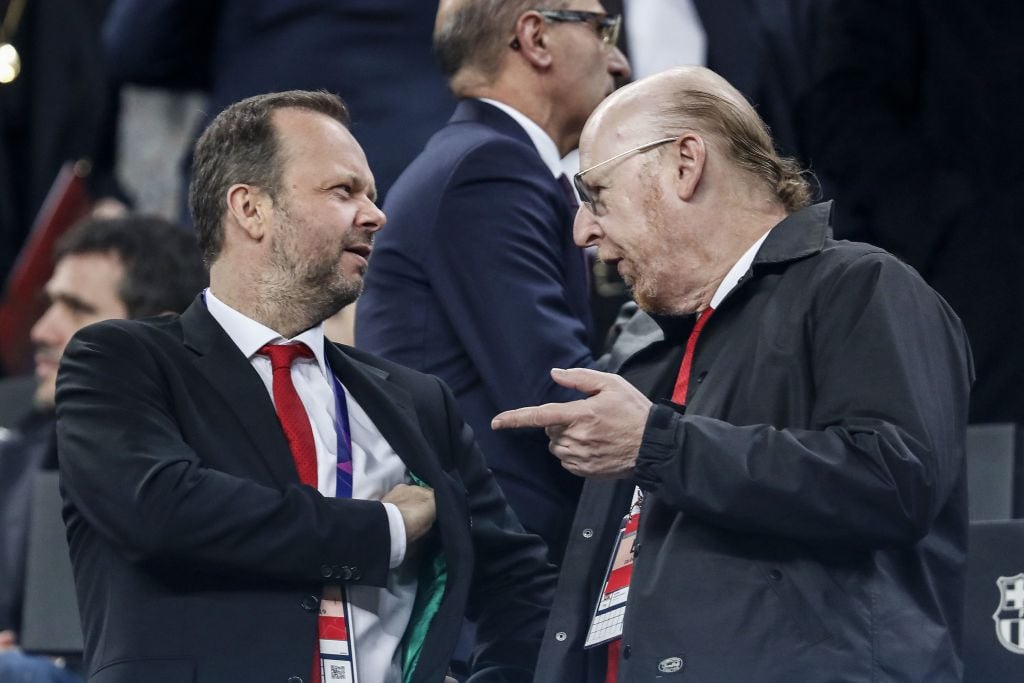


Manchester United lost the Europa League semi-final against Sevilla last night and the club’s season is now, finally over.
There were multiple reasons behind the defeat, we listed six in total; missed chances, poor defending, inexperience, fatigue, no substitutions, and refereeing decisions.
But this was the third semi-final defeat United have suffered this season. That cannot be a coincidence.
No, this is what happens when you only do half of a rebuild when a full overhaul of the squad was required.
Last summer’s transfer business came back to bite us. As it did in the previous semi-finals.
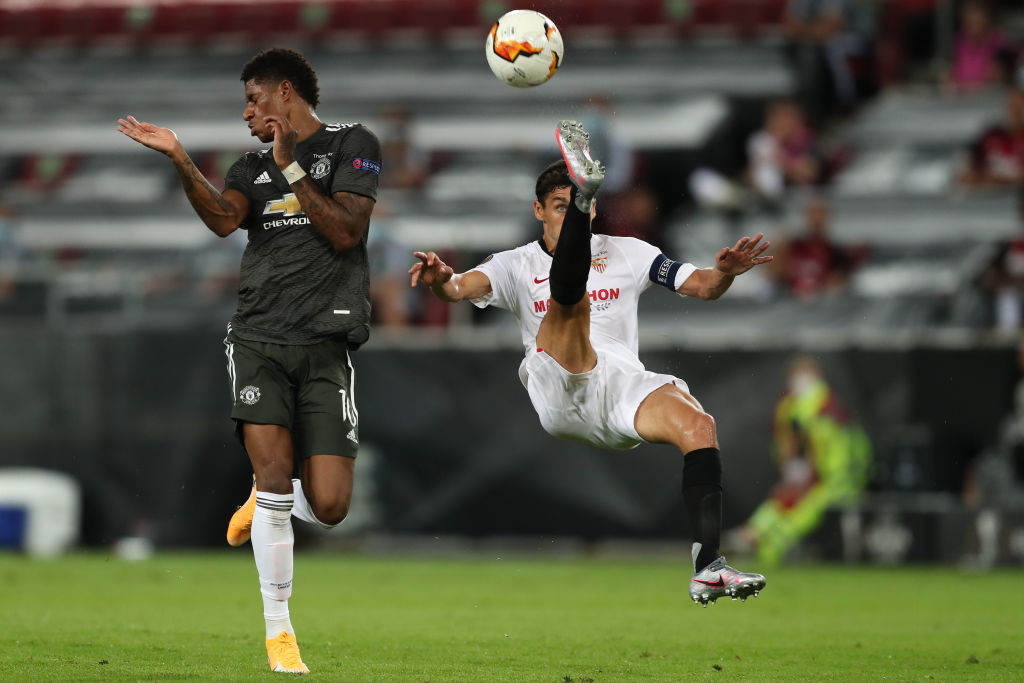
A look at the losses
Last summer United left key holes in the squad unaddressed. This showed up in all three matches.
Against City in the Carabao Cup, United were hit badly by injuries in the first leg, with Phil Jones among the starters.
We lost by a single aggregate goal, which actually looks relatively impressive considering we were 3-0 down after 45 minutes at Old Trafford, and Bruno Fernandes was still a Sporting player.
If United’s board had pulled their finger out and signed Fernandes last summer instead, he would have been available to help us beat City, and set up a semi-final with Aston Villa.
The loss against Chelsea in the FA Cup semi-final was also a result of the late deal to sign Bruno Fernandes.
United heavily rotated the team to concentrate on the Premier League, and players were tired from playing away at Palace days earlier.
If Fernandes had been signed last August, a top four place would have been wrapped up long before the semi-final.
This would have enabled Solskjaer to prioritise the semi-final ahead of the league games, and United likely would have beaten Chelsea as a result.
Then once you have won a couple of semi-finals, and perhaps a trophy too, the third semi-final becomes a lot easier.
This United team still need to get over the hump and against Sevilla they just quite were not up to it.
Poor business from summer 2019 still showed up, with no striker on the bench who Ole Gunnar Solskjaer felt he could turn to.
Odion Ighalo has done a job since arriving on loan but he is not the long-term answer, and last night not even a short-term one, with Solskjaer waiting until the 92nd minute to throw him on.
It showed a lack of faith from the manager in his options, that he did not make a single change until the 86th minute.
This highlights a lack of squad depth which United did not do enough to resolve last summer.
The men to blame
Ultimately the buck stops with chief executive Ed Woodward and owners the Glazers.
They did not invest in the team last summer as was required, with the MEN reporting a net spend of just £60 million in summer 2019.
That was never going to be enough to improve a side which ended 2018/19 terribly, to the point we were going to reach the levels we aspired to.
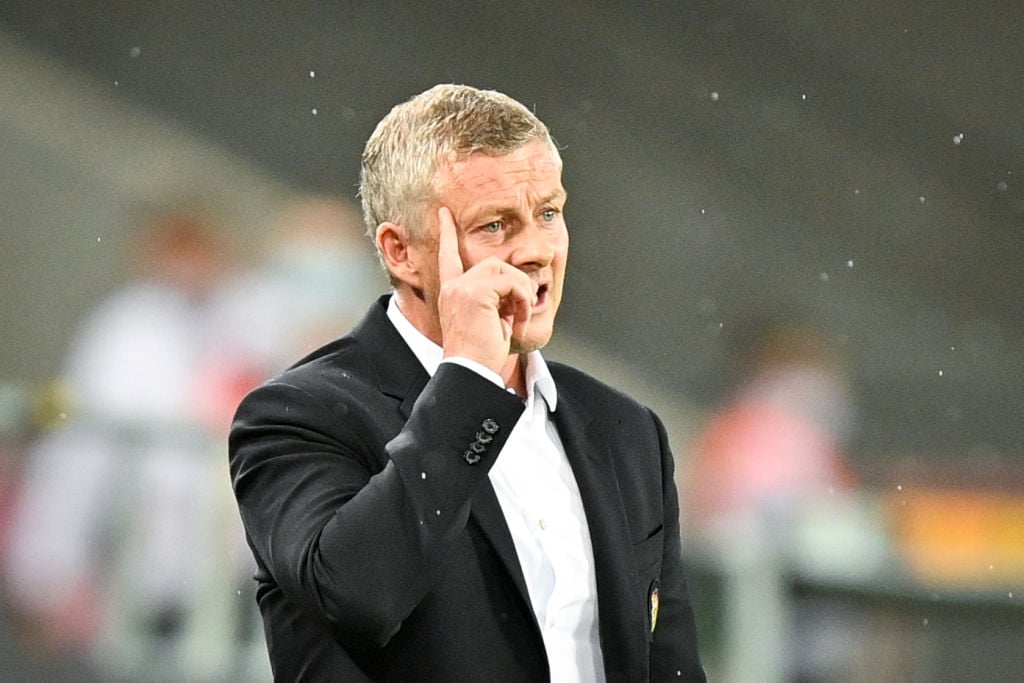
Ole Gunnar Solskjaer has ultimately done really well to get United to finish third and qualify for the Champions League, while also reaching three semi-finals. If anything, the team over-performed.
There are things Solskjaer could have done better at times in these games, and the players too. But ultimately the men responsible for United’s defeats were not on the pitch.
Rather than look backwards, they now have to look forward and make sure the same mistakes are not repeated this summer.
United need attacking reinforcements, a winger, perhaps two, a striker, a centre-back and a defensive midfielder.
Work should have been ongoing for months to scout affordable solutions in all of these areas and United need to step up recruitment plans with the Premier League season just one month away.
If the board prepare United’s squad inadequately again, there are likely to be more near-misses than success stories.
- Dan Gore’s electric Man Utd cameo pushes him to the forefront of Michael Carrick’s midfield gauntlet
- Three things Michael Carrick will have learned from Andrey Santos’ Man Utd debut, key test passed
- I backed Jacob Devaney to break through for Man Utd this summer, Michael Carrick now approves
- Man Utd have a sneaky breakout contender in brilliant wonderkid after Wrexham game, he’s unique
- Donald Trump will be at World Cup final, but US president’s Man Utd ‘connection’ is deeper than some might think
- Analysing how Marcus Rashford performed in England’s 6-4 win over France
- Lisandro Martinez has never taken penalty in his whole career, but this is what he could do in World Cup final
- Sir Jim Ratcliffe and Ineos have once again been vindicated with major Man Utd call, despite Wrexham defeat
- 14 things I liked and disliked from Man Utd vs Wrexham pre-season opener
Receive a digest of our best United content each week direct to your mailbox