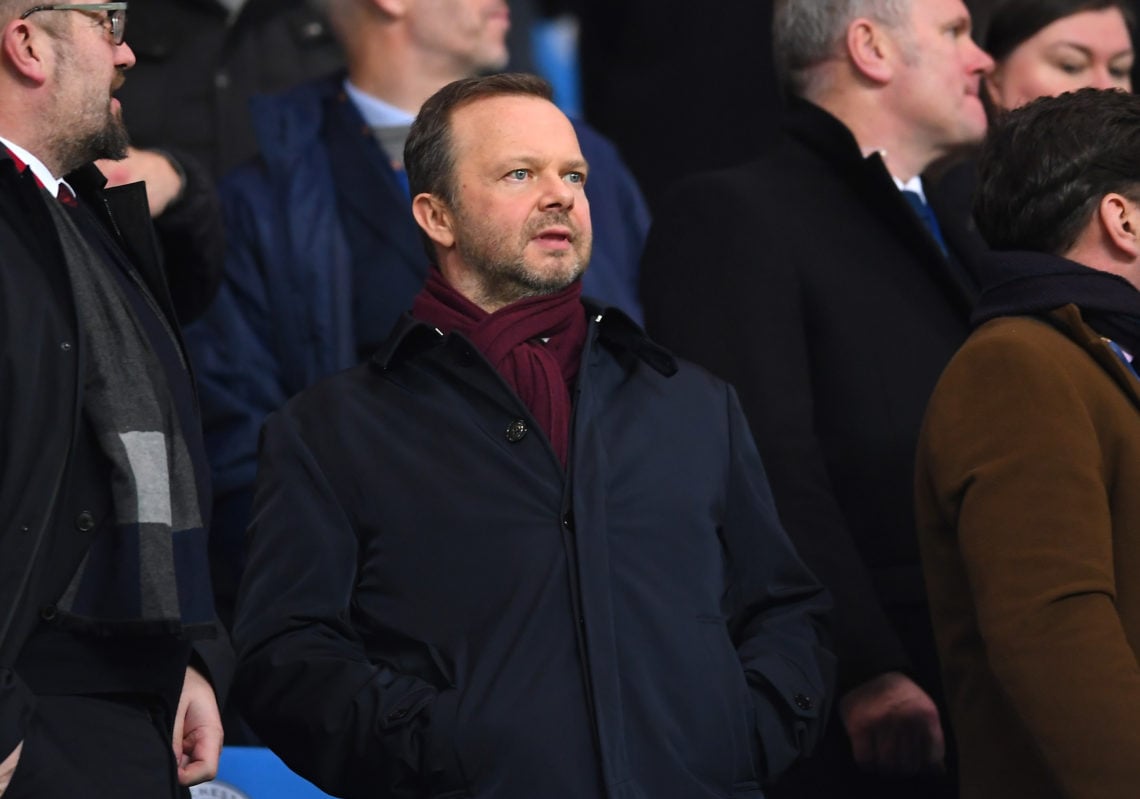


Ed Woodward’s legacy at Manchester United is marked by a profound disconnect with the supporters and a club starved of silverware – yet, he did manage to call one thing correctly.
Woodward was succeeded as United’s de-facto CEO in February 2022 by Richard Arnold after a decade in the post.
A former banker whose affinity was reportedly more with rugby than football, Woodward was never accepted by the fans – to put it charitably.
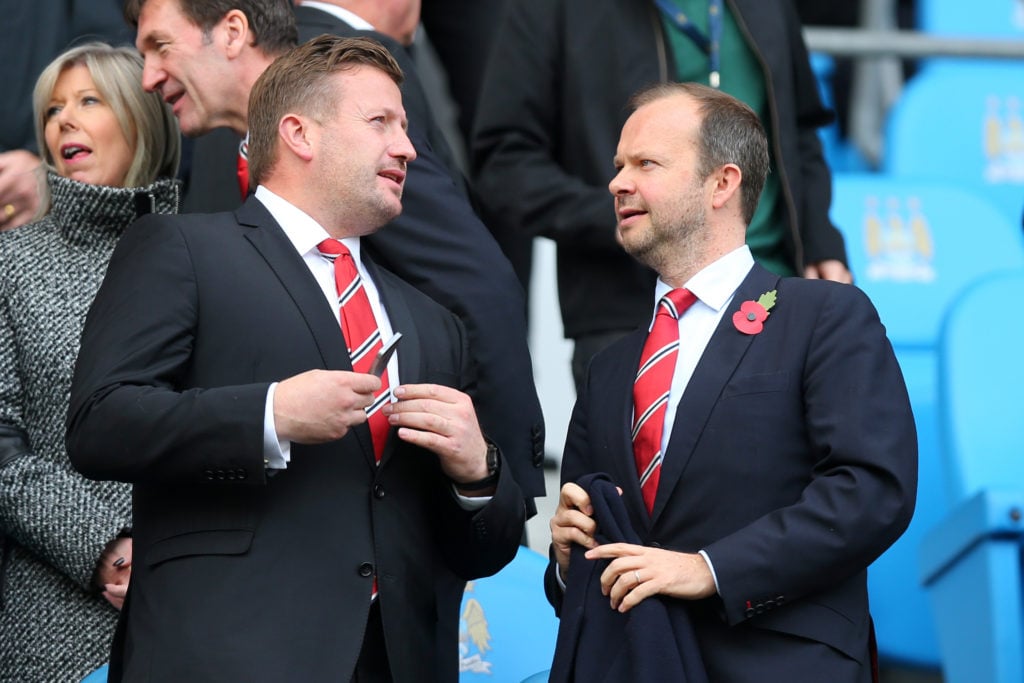
They laid the blame for the increasing commercialisation of the club in lieu of any real ambition on the pitch squarely at his door.
And with good reason. Since United’s last Premier League triumph in 2013, annual revenue has risen from £363m to £627m at the last count.
Needless to say, the near 100 per cent rise in income has not yielded a corresponding era of sporting success.
A League Cup, a Europa League, and two FA Cups including last season’s triumph under Erik ten Hag is hardly a respectable return for the nearly £6bn the club has earned over the last decade.
Woodward’s successor, Arnold, was quickly replaced himself by former Man City supremo Omar Berrada, one of the first major appointments under new co-owner Sir Jim Ratcliffe.
Berrada, who recently gave his backing to Ten Hag alongside sporting director Dan Ashworth, is widely regarded as an astute appointment by the new regime.
But how will he juggle United’s commercial requirements with the interests of supporters and the yearning for success?
The latest data shows that he will have quite a platform to build on.
£700m finance boost all but confirmed
Ratcliffe’s premiership so far has been controversial, with the INEOS billionaire electing to keep Ten Hag at the helm, as well as laying off huge swathes of United staff.
The 71-year-old sees himself as a disruptor and is striving to find efficiencies across the business to free United from the shackles of PSR and create a platform for success on the pitch.
If United can keep revenue high but reduce the losses seen in the last four financial years caused by profligate spending, they will have a springboard to become a European powerhouse once again.
A new report by leading football finance analysis firm Off The Pitch projects that United will announce club-record turnover in excess of £700m for 2023-24.
That is despite the notable handicap of having endured their worst ever Premier League season.
In 2018, by which time United had more than doubled their commercial revenue under Woodward, the executive famously said: “Playing performance doesn’t really have a meaningful impact on what we can do on the commercial side of the business.”
While controversial and perhaps an indictment of the modern game’s financial ecosystem, the 2023-24 results prove once again that he was spot on.
Man United’s PSR position
From next season, the Premier League will mirror UEFA’s approach in moving to a PSR system that ties spending on wages, transfers and agent fees.
The Premier League’s cap is expected to be set at 85 per cent, which based on the latest revenue projections would give United a playing budget of approximately £595m.
UEFA’s limit this season is 80 per cent but will fall and remain at 70 per cent from next season.
Under their model, United’s playing £490m. UEFA also have a loss limit, but there is more flexibility in this formula than under the Premier League’s existing rules.
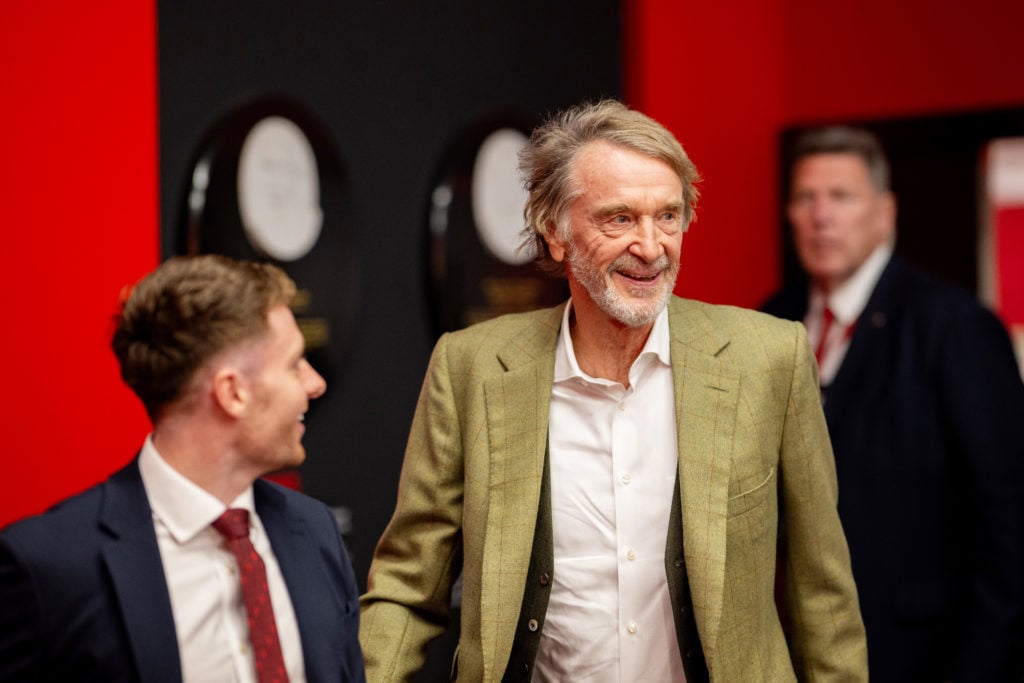
For context, United’s amortisation was £173m and their wage bill was £331m in the last recorded financial year – so, their squad cost was £504m in total.
The margins are tight. And this is why Ratcliffe is so doggedly pursuing financial efficiencies.
Receive a digest of our best United content each week direct to your mailbox