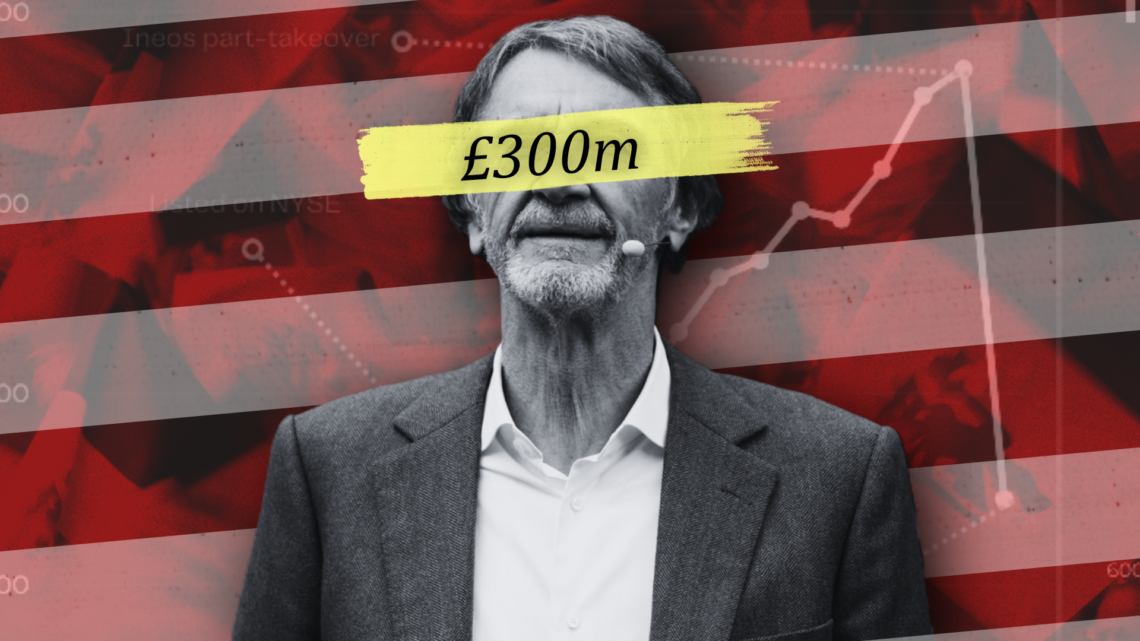


In some quarters, Sir Jim Ratcliffe is seen as a kind of Neo-Glazer. But in reality, the two Man United ownership factions’ philosophies on everything from injury management to wage structure couldn’t be further apart.
The Glazers, for the most part, are uninterested. Joel and Avram show their faces at the big games but have generally been happy to delegate from their nerve centre five time zones away in Florida and watch their already stonkingly valuable investment appreciate in worth despite United’s increasingly feeble performances on the pitch over the years.
The family is concerned with events at a macro level. European Super League and Project Big Picture? Count them in. The nuances of player contract structure? No thanks. Because it isn’t their own money, the Glazers aren’t particularly bothered about the fiddly little details.
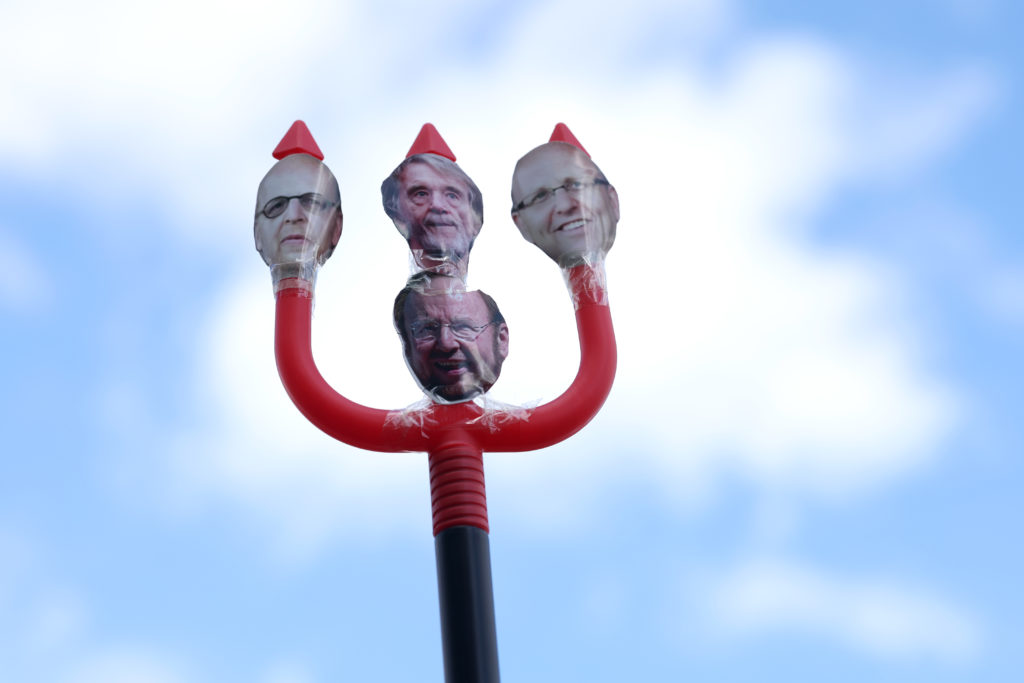
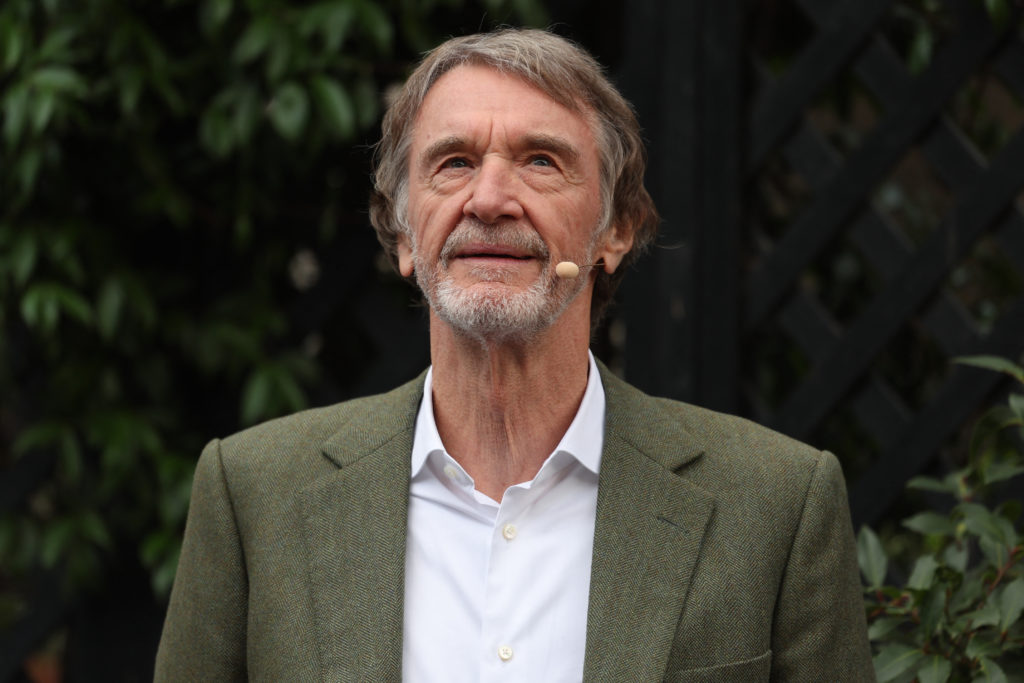
By contrast, Sir Jim Ratcliffe is United’s micromanager in chief. The Ineos founder and multi-industry billionaire has been obsessive in his attention to detail.
Since the 72-year-old signed the control document which gave him day-to-day responsibilities at Old Trafford, Ratcliffe has not so much tinkered as torn through the Red Devils’ personnel, infrastructure, recruitment setup, and finances.
Hundreds of staff have been purged as the ownership look to recalibrate the club’s cost base. With an annual wage bill of £365m at the last count, the third highest in the Premier League, it’s hard to argue that change wasn’t needed to correct the excesses of the Glazer era.

However, it has been the manner of the changes that has bristled with United fans. Hundreds of local staff have lost their jobs, and all while United are lobbying for local government support for a £2bn stadium project which many finance experts argue is pretty quixotic.
Penny-wise, pound foolish – that is the accusation that has often been levelled at the new face of the ownership regime in M16. At the very least, the communication around the Ratcliffe revolution has left a lot to be desired. Sources within the club have routinely told UIF of a culture of fear at Carrington. The ‘Jim Reaper’, as several have described him, has caused many to jump before they were pushed.
Ineos want to correct Manchester United injury record
United academy graduate Axel Tuanzebe is currently suing the club at the High Court for alleged medical negligence (more on that later), and the medical department has not been spared from Ratcliffe’s root-and-branch review.
In March, it was announced that United’s Head of Sports Medicine Gary O’Driscoll would step down just 18 months after joining from Arsenal, where he had spent 15 years. First Team Doctor Jim Moxon has also left the club.

Ineos briefed that their departures were not part of the sweeping redundancy programme, though Ratcliffe has publicly bemoaned the club’s injury record since he bought his minority stake in February last year.
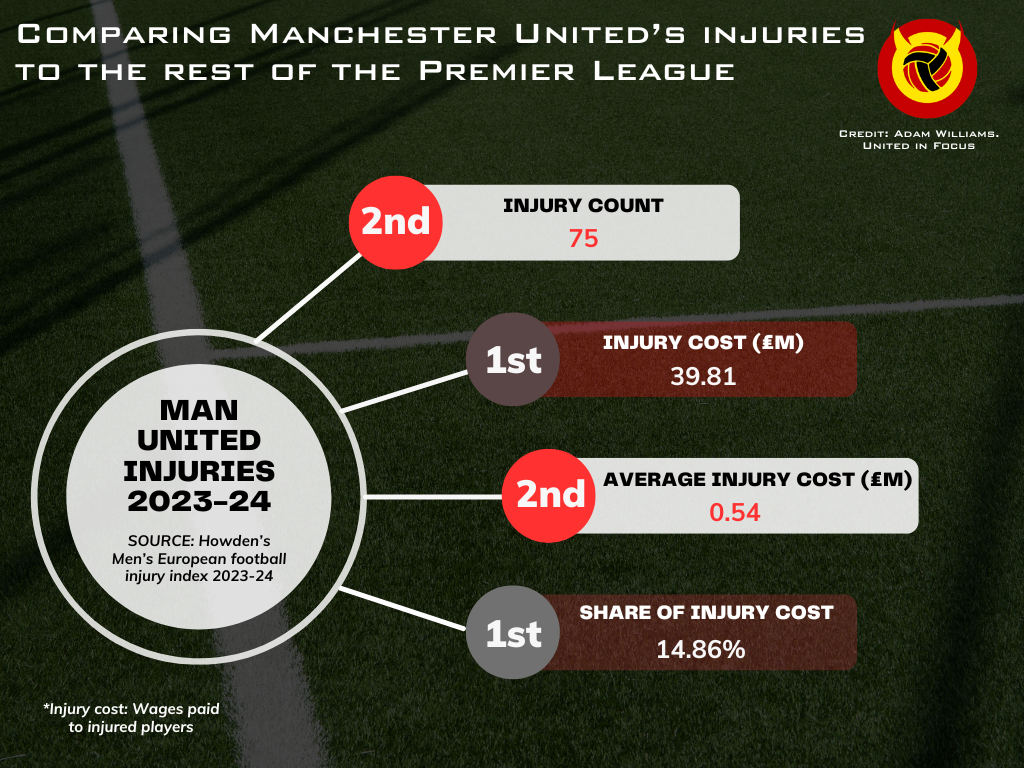
In 2023-24, United suffered more injuries than any other Premier League club. Things improved somewhat in 2024-25, with 33 injury instances in total. Six clubs had more injuries over the course of the season, while United were fourth in terms of total minutes lost to sidelined players.
“There has been a shake-up behind the scenes and the owners want answers about their historical injury record and issues that they are continuing to carry,” leading sports science analyst and founder of the Premier Injuries site explains in exclusive conversation with UIF.
“It will be interesting in Amorim’s first proper full season to see if those things improve.”
Many factors, of course, are outside of the medical department’s control. United’s decision to go on a post-season tour of Asia to make up for lost revenue in 2024-25, for example, was a commercial choice. The expanded UEFA competition format too. Meanwhile, FIFA are continuing to expand their own fixture calendar, increasing the burden placed on players and prompting a legal complaint from FIFPRO.
Meanwhile, non-muscle injuries – such as Lisandro Martinez’s ACL tear or Amad Diallo’s season-ending ankle ligament damage in February – are also largely beyond the scope of the sports science team’s influence.
Red Devils’ injury record is a financial problem
Increasingly, Premier League club owners are looking at injuries and fitness through a financial lens.
For many years, the received wisdom was that more matches equals more revenue. However, there is now a school of thought that reducing fixture congestion could allow clubs to have smaller squads and save on player wages, which always trump transfer fees as a club’s single biggest expense.
“The latest data from 2024-25 shows a slight reduction in expenditure paid in salaries for players on the sidelines at around £230m compared to £266m last year,” Dinnery tells UIF, “and that’s salaries only.”
“If you look at the wider picture in terms of what it costs with man hours, technology, systems to mitigate the risk of injury, there was a study in 2020 that suggested the impact across the league was around £45m. That depends on the size of the club and the resources available, from just a few million for newly promoted clubs to £10-20m per season at the elite end at a club like United.
| Player | Injury | Status |
| Lisandro Martinez | Knee Injury | Ruled Out |
| Noussair Mazraoui | Thigh Injury | Ruled Out (Being Assessed) |
| Andre Onana | Thigh Injury | Ruled Out (Being Assessed) |
| Joshua Zirkzee | Other | Expected to Return Soon |
“That’s cumulative. It takes into account investment in training facilities and AI technologies that are used to support backroom staff. These things are used not just to mitigate injury but also to optimise performances.”
Many Premier League clubs, though not United, have claimed seven-figure tax relief from the government’s research and development scheme for science and technology.
That news caused brouhaha when it emerged earlier this year, but it’s hardly surprising. Shareholders in the world’s most commercially successful football league will naturally deepen innovation and scientific research in this field, especially when their annual spending in these areas exceeds £300m.
We have invested significant resources into developing a performance center which contains advanced sports and science equipment. We have highly experienced training staff working at the performance center, where we provide physiotherapy, biomechanical analysis and nutritional guidance to our players as part of our drive to create an environment in which each player is able to achieve peak physical condition. We believe the quality of our performance center differentiates our club from many of our competitors. Fiscal year 2024 has seen the opening of a new high-performance training base for our Women’s and Academy teams including a state-of-the-art gym, rehabilitation areas and analysis and meeting rooms. On 14 June 2024 we announced plans to refurbish the men’s first team building at Carrington.
Excerpt from Manchester United 2023-24 accounts
Carrington’s £50m revamp
Famously, Cristiano Ronaldo highlighted the lack of upgrades at Carrington between his first and second spells at the club. Ineos have since actioned a £50m refurbishment of the training complex, which is slated to open at the end of the month.
As well as structural changes and alterations to allow other departments to use the facility as their base, millions have been spent on new equipment to help the medical and sports science teams.
Raising the bar with sports science technologies, Dinnery explains, will be crucial if the club’s investment is to pay off.
“We see AI used for movement detection and patterns. They see movements historically that are outside of players’ usual parameters that are invisible to the naked eye, but AI systems are able to pick them up. These deviations can inform conversations around player fitness and next steps with regards to fitness.
“We also see blood biomarkers that give a broader understanding of where a player is. We’re seeing players flagged 50 minutes before an injury actually occurs. So, injuries we may historically have deemed bad luck, the chances are there would have been some kind of markers within a player’s movement patterns to say they would be at risk.
“Some of the stuff we’re seeing is mind-blowing. Clubs are heavily investing in these technologies to optimise performance and avoid injury. It’s the holy grail – if you can stop an injury before it happens, you’re at the gates of heaven.”
- READ MORE: Lisandro Martinez could make miraculous injury return at Man United as new timeline shared
Sir Jim Ratcliffe’s involvement behind the scenes
The Carrington makeover was primarily overseen by Sir Dave Brailsford, Ratcliffe’s right-hand man.
Brailsford has since taken a step back from his role in football operations to concentrate on the Ineos Grenadiers cycling team, but the fact that Ratcliffe valued his performance background enough to bring him over to Man United is emblematic of the scientific and data-led approach the owners want to pursue.
But how much is Ineos’ top brass across the detail when it comes to injury prevention and management?
“Ultimately it’s about money and some owners are fairly hands on,” says Dinnery.
“You wouldn’t necessarily see owners involved directly, day-to-day with heads of departments, but they will liaise with directors to get an overview of what’s going on.
“The frequency of those conversations can be determined by what’s happening on the pitch.
“If you see a spike in injuries and a downturn in performance, owners want to understand why that happens.”
Hamstring injuries costing Man United
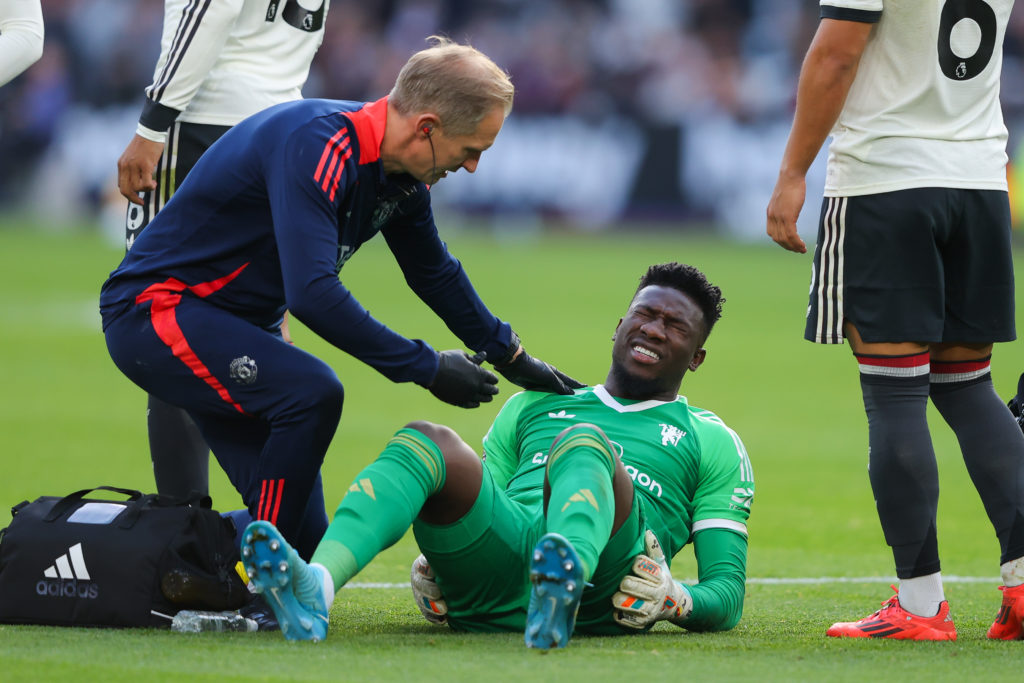
Andre Onana has missed out on pre-season because of a hamstring injury, while Noussair Mazraoui’s summer has also been disrupted by a similar thigh injury. Last season, United suffered three hamstring injuries in total.
Hamstrings, Dinnery tells UIF, are the main culprit when it comes to time and money lost to injuries at United and beyond.
“Availability is the best ability. When you talk about load management and overexposure, it’s different for different clubs. It comes down to squad depth and other factors.
“One of the most talked about injuries last season was hamstring. There was a narrative that the number of those injuries was on the rise. In reality, the volume of injuries dropped but the severity of them increased. Why? Is it because the demands of the game are changing? Is it a loading issue with players required to play more minutes at a higher level of intensity?
“Hamstring injuries typically account for about 25 per cent of all injuries. If we’re talking about soft tissue injuries, hamstrings account for about 42-44 per cent. If you factor in thigh injuries in general, you’re looking at around half of injuries specific to that particular area of the body.
“That’s linked with the dynamic nature of the sport. It’s quick turns, explosive movements, kicking mechanisms. So, it’s inherent that many injuries are going to be with those lower extremities.
“60 per cent of time-loss hamstring injuries are now sidelining players for over a month. If you have a Grade 1 tear, it’s typically towards the belly of the muscle. They have good blood supply and heal fairly quickly. But we’re now seeing a move towards tendon related injuries. That delays the return to play.”
Axel Tuanzebe’s landmark legal case
Injuries have a financial cost, yes, but ultimately it’s individual players who suffer physically and sometimes in monetary terms too.
Tuanzebe, who spent 17 years with Man United between 2006 and 2023, has filed a £1m legal claim against the club relating to medical negligence he alleges took place in July 2022.
The details of the case aren’t clear, but the 27-year-old defender was beset by injuries in his time at Old Trafford, as well as during various loans. After joining Ipswich ahead of 2023-24, Tuanzebe also spent 100 days in the treatment room. This summer, he signed for Burnley on a free transfer.
The increasing prevalence of cases of this nature are a reminder to teams of their duty of physical care for players, even after their time at the club has ended.
For United, it’s a human issue, not just a financial one.
Receive a digest of our best United content each week direct to your mailbox