

Manchester United are cleaning house with clarity and precision as they try to raise more funds to strengthen the team further.
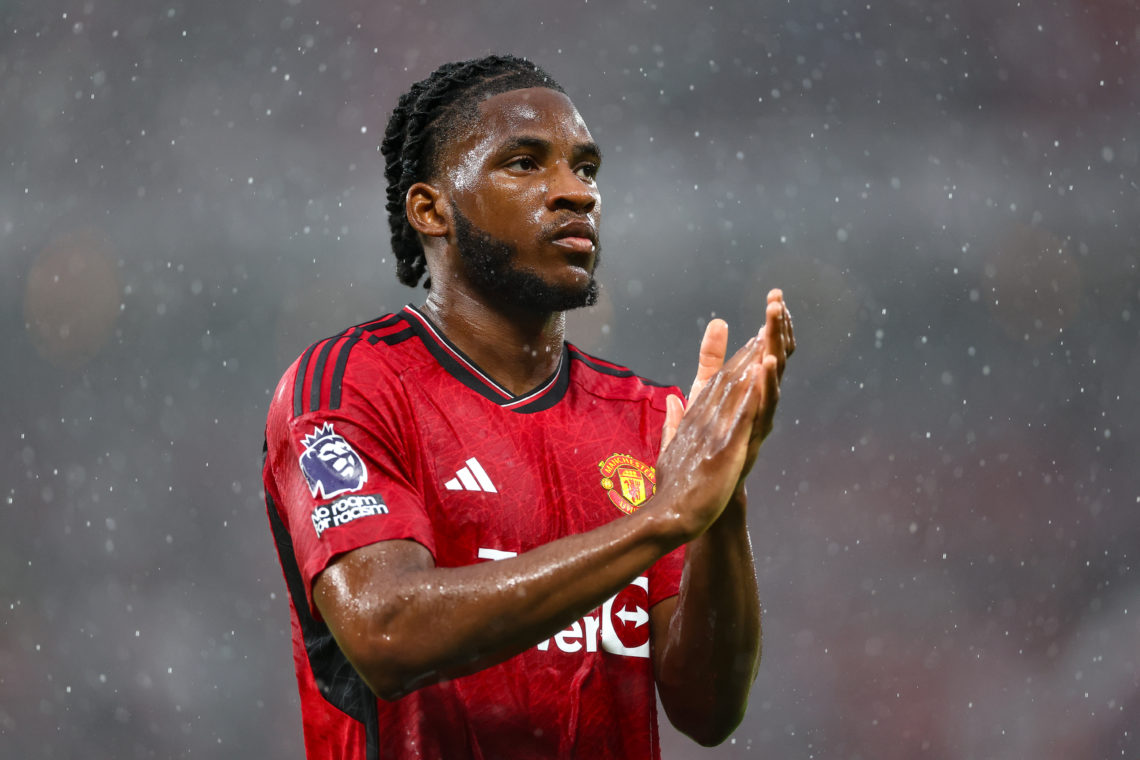
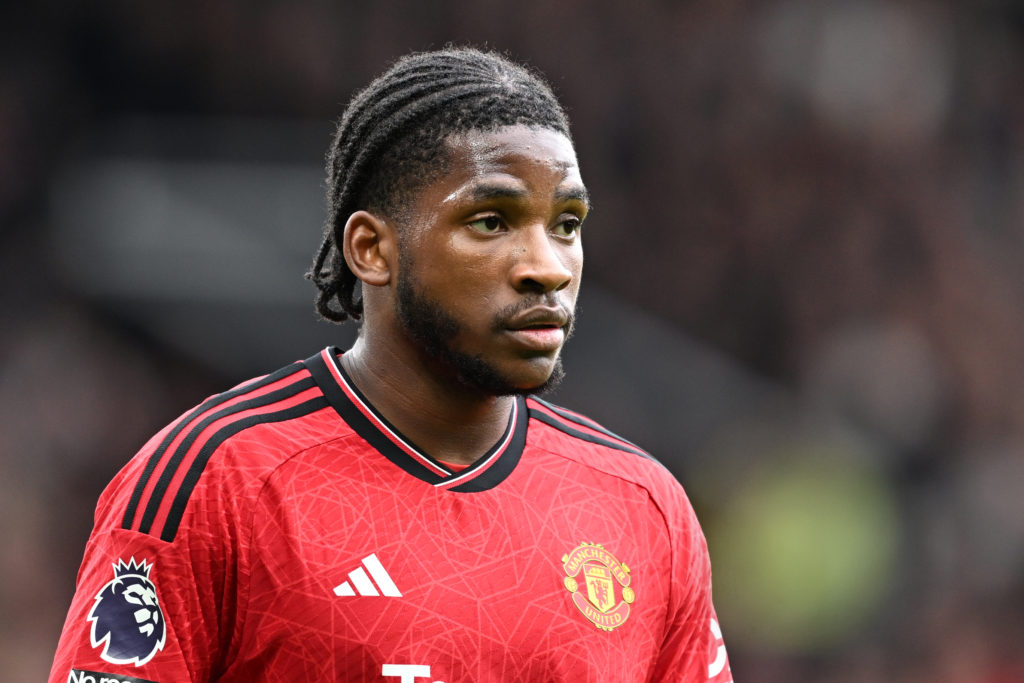
The likes of Donny van de Beek were always expected to leave, but the transfer of Willy Kambwala caught the fans by surprise.
The Frenchman was an unexpected breakout last season due to an injury crisis but leaves after making 10 appearances for more regular first-team football.
It has been reported by The Daily Mail that United will earn around £4.7 million up front with a further £5.2 million in add-ons, also keeping a buy-back option for three years and a sell-on clause.
However, the presence of a sell-on clause is also why United won’t get the full amount from Villarreal…
FC Sochaux sell-on from Willy Kambwala’s transfer
United signed Kambwala from French side FC Sochaux in 2020 for a fee of around £3.6 million. The sell-on clause at the time is believed to be a “percentage of profit” on future sale instead of a flat-out percentage of sale, as per Lequipe.
It means that if United bought the player for £3.6 million and selling him for an initial £4.7 million, the profit they are making on the initial fee is just over £1 million.
Therefore, they will pay Sochaux 50% of £1 million instead of 50% of £4.7 million. It comes out to a shade over £500,000 which will be deducted from the fee of £4.7 million.
Furthermore, if Kambwala’s displays trigger the add-ons to take his fee up to £9.9 million, this phenomenon will work the same way as it would increase the transfer fee and the clause doesn’t apply to just the fee upfront.
It is yet unclear what type of a sell-on clause United have inserted in Kambwala’s move to Villarreal but if it is a percentage of future sale instead of a percentage of profit on sale, it would be a masterclass in dealing.
Making sense of the transfer
It has also been decoded previously why Willy Kambwala’s Villarreal transfer should be celebrated instead of criticising it. The terms of the deal further clarify why that is the case.
United have finally made the kind of deal Manchester City and Chelsea have based their whole financial model on- selling youth players for a profit when their value is high while retaining control over their future.
Due to the sell-on clause, United will get a discount on the player if they want to buy him back even after the expiry of the buy-back clause itself.
Furthermore, they will stand to profit from his development even if it isn’t at Old Trafford as him succeeding and potentially outgrowing Villarreal means an unexpected windfall for United which would also be pure profit from Profit and Sustainability POV since he will no longer be on contract with the club.
As the transfer window ticks towards completion in August, it wouldn’t be a surprise if United make more such deals and strike while the iron is hot instead of carrying distressed assets like Hannibal Mejbri on the books whose value has tanked due to bad decision-making on his future.
Receive a digest of our best United content each week direct to your mailbox