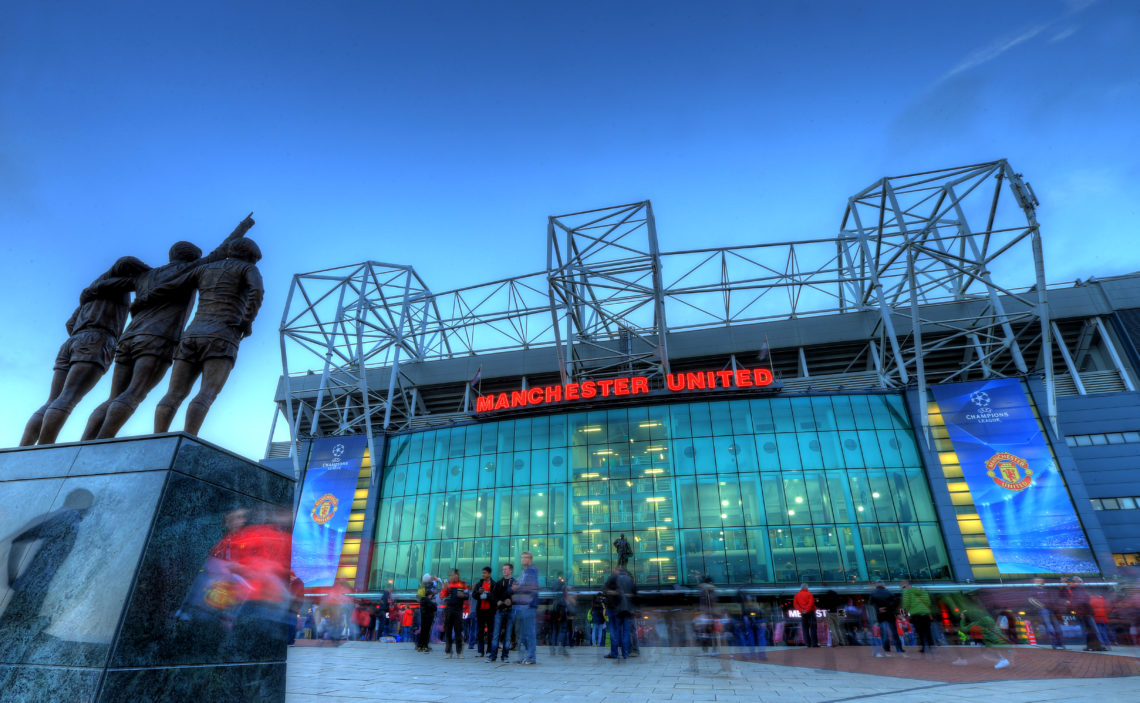


The plans to either revamp Old Trafford or a build a new stadium entirely have been the biggest statement of intent yet from the Man United regime led by Sir Jim Ratcliffe.
Since the paperwork was filed and Ratcliffe’s part-takeover confirmed in February, the INEOS billionaire has already taken more steps to improve United’s infrastructure than the Glazers have in 20 years.
After 2010, United have spent £98m on infrastructure. All of the so-called Big Six have spent considerably more – some by an order of magnitude – as have Brentford, Leicester and Brighton.
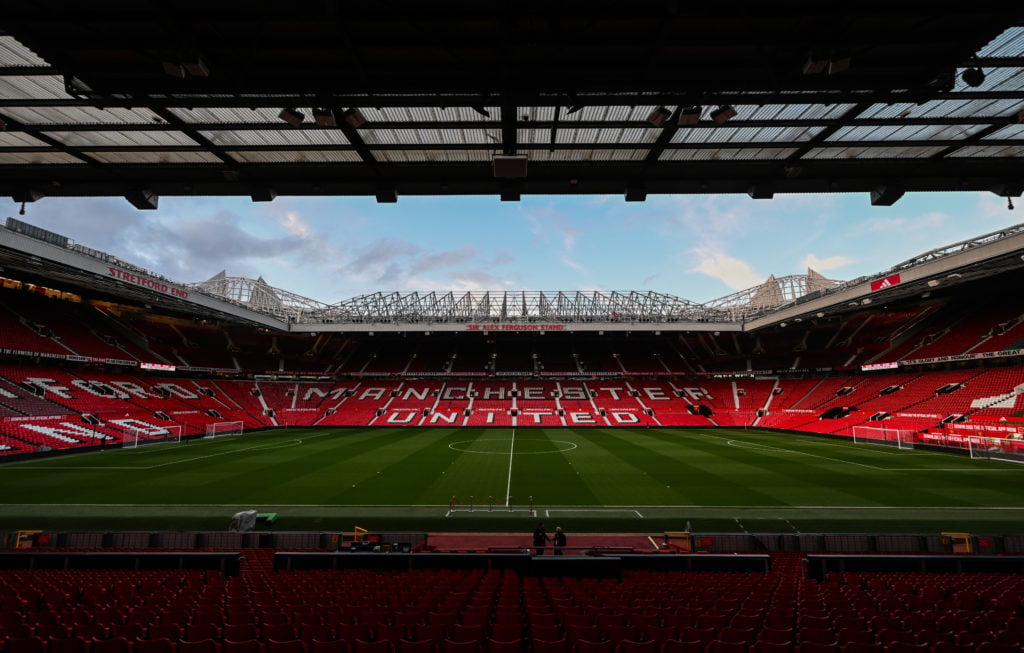
Ratcliffe has already given the green light to increase that figure by 50 per cent practically overnight with a £50m revamp of United’s Carrington training complex.
That is long overdue. When Cristiano Ronaldo returned to the club three years ago, he was said to be shocked that the facilities had barely changed since his departure in 2009.
But that investment will pale in comparison next to the cash which Ratcliffe plans to funnel into the redevelopment of Old Trafford and surrounding areas.
Ratcliffe is believed to be leaning into the idea of building a brand new stadium for United while simultaneously downsizing Old Trafford to stage women’s and academy matches.
While a new stadium would demand huge capital investment, the expenditure would be PSR-deductible and generate astronomical returns in the long term.
And the latest viral video footage illustrates one innovative way that United will seek to squeeze as much cash from the development as possible.
READ MORE: Manchester United sell-on clause for Facundo Pellistri, deal confirmed
Augmented reality: The future of Old Trafford?
While exploring the possible options to improve or move to a new stadium, Ratcliffe’s lieutenants are understood to have visited numerous stadia and consulted several top architecture firms.
As it happens, one of these visits coincided with United’s long-planned trip to the United States for pre-season this summer.
The SoFi Stadium in Los Angeles, where United lost 2-1 to Arsenal in July, is widely considered the best multi-purpose venue in the world.
Designed by leading firm Populous and financed in part by Arsenal owners Stan Kroenke, the arena cost over £4bn to build and seats 70,000 spectators for LA Rams’ NFL games.
Reportedly, United have their sights set on a 100,000-seater stadium, but the ground-breaking SoFi Stadium has set the bar in terms of the matchday experience and monetisation potential.
One technology the SoFi Stadium has made use of is augmented reality, with an on-site screening venue run by Cosm allowing fans to watch sports fixtures as if they were in the stadium.
If that sounds familiar, it may be because footage circulated widely on social media showed LA-based United fans taking the 1-0 win over Fulham in the Cosm centre last Saturday.
Noises coming from the Old Trafford task force suggest that the new stadium, whatever form it may take, will be heavily tech-focused.
While the potential to involve augmented reality facilities might sound trivial at first, the market is currently worth £17bn and is forecasted to mushroom to £77bn by 2030.
Many industry analysts believe this technology could be the future of sports engagement, with the likes of United eager to monetise their vast overseas fanbase.
Investors believe there is enormous untapped value in fan engagement, and many are betting the farm on augmented reality to deliver it.
The Cosm centre gives a glimpse of how that might be achieved in Manchester.
How much can Man United earn from a new stadium? What will this mean for PSR?
Even at a rundown Old Trafford, United earn more matchday income than any other Premier League side.
In 2022-23, the last financial year on record, the figure stood at £136m, which was considerably more than second-place Spurs, who earned £118m through the turnstiles.
But the success of Spurs’ stadium demonstrates that the commercial upside of a new home ground can extend well beyond 90 minutes of football every other week.

Through augmented reality, naming rights, hospitality and other commercial initiatives, United can expect to earn up to £230m per season through a 100,000-seater, state-of-the-art stadium.
In the age of PSR when spending is tied to revenue, that would give the club a huge head start over their rivals in the transfer market each and every single season.
Receive a digest of our best United content each week direct to your mailbox