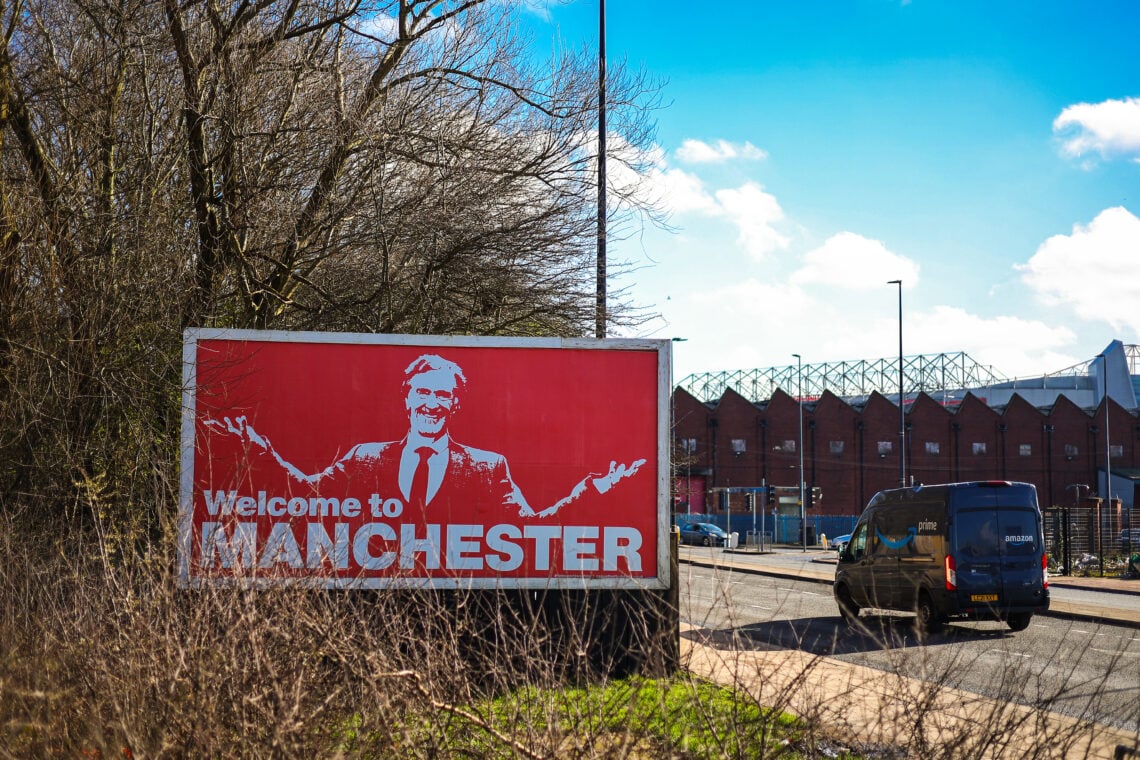


The Ineos empire is groaning under the weight of huge debts, geopolitical pressure and poor sales, but Manchester United co-owner Sir Jim Ratcliffe thinks salvation is near.
Ineos owe somewhere in the region of £13.5bn in total, while profits and revenue in recent quarters have been in freefall. As a result, several ratings agencies – who assess businesses based on how risky it is to lend to them – have downgraded Ineos’ outlook to ‘negative’.
It is against this backdrop that Ineos and United shareholder Andy Currie has listed his $100m superyacht for sale, Ratcliffe has tried to flog his other football club in OGC Nice and divest a number of other sporting assets, and the UK Government has bailed out Ineos’ biggest UK chemicals site in Grangemouth to the tune of £125m.
In fact, Manchester United, who not long ago were causing Ratcliffe almost as many headaches as his chemicals or automotive companies, now look like an oasis of serenity next to the wider Ineos group.
How worried are you about Ineos’ financial issues?
Will there be any major impact at Man United?

Champions League qualification has been secured for next season and, with it, at least £100m in extra revenue compared to the £640-660m United are projecting for 2025-26. With Michael Carrick now permanent head coach, preparations for another high-stakes summer transfer window have begun in earnest. Longer-term plans like the planning and construction of a new 100,000-seater super stadium meanwhile are developing more slowly.
In that last regard in particular, the futures of Ineos’ chemical business and United do not exist in isolation.
Ratcliffe has already invested £1.25bn at United through his original part-takeover and subsequent equity injections, and he doesn’t have the liquid capital available to prop up the club’s wage bill and transfer costs year after year, let alone the money to finance a stadium slated to cost £2bn.
As a result, United will likely go to the debt markets when it comes to funding Old Trafford 2.0. And the health of Ineos, as Ratcliffe’s primary source of wealth, could be very relevant when it comes to securitising a favourable deal.
There is some positive news on that front, albeit for troubling reasons.
The closure of the Strait of Hormuz has shored up Ineos’ finances somewhat, with the company benefiting from a squeeze on oil supply and ensuing price surge.

That is perhaps one of the reasons that Ineos have invested €200m in a group of chemical industry stocks. In a letter to investors, Ineos explained their rationale, as relayed by the Financial Times: “The ultimate shareholders of the Group believe that chemical producers are currently undervalued.”
“It is a show of faith in the sector,” explains football finance expert and Price of Football podcast host Kieran Maguire, speaking exclusively to United in Focus.
“Ineos have a lot of debt. Those issues will be cushioned by what we have seen in the Strait of Hormuz. Ineos’ credit rating has not been good recently, and Ratcliffe is very much at the centre of that. For United when they are planning a new stadium, that’s significant. On the back of Ineos’ business improving, that will improve.
“On a broader scale, there is so much uncertainty in global geopolitics at present – and that has an impact on interest rates and so on. So you have some positives for Ineos and some negatives.”
Receive a digest of our best United content each week direct to your mailbox