

Running a football club is an art, not a science, but Sir Jim Ratcliffe is administering Manchester United using the same cold, dispassionate formula he employs at each of Ineos’ 173 chemical refineries.
Few people of sound mind would describe themselves as a ‘fan’ of a chemical plant. A chemical plant isn’t steeped in a century of culture. The esoteric concept of glory is in short supply at a chemical plant.
Man United is not a chemical plant. They are a social and sporting institution first and a business second.
The two realities are intertwined, of course, but Sir Jim Ratcliffe’s dogmatic belief that they are governed by the same principles is naïve in the extreme.
Yes, he has taken the wheel of a clown car that the Glazer family has been driving for 20 years. However, on the anniversary of Ineos’ £1.25bn part-takeover, there is little to suggest the ride is improving.
The simplest metric, performances on the pitch, has crashed. Man United are 15th in the Premier League table ahead of Sunday’s meeting with an in-form Everton side.
| Position | Team | Played MP | Won W | Drawn D | Lost L | For GF | Against GA | Diff GD | Points Pts |
| 12 |  TottenhamTottenham TottenhamTottenham | 25 | 9 | 3 | 13 | 49 | 37 | 12 | 30 |
| 13 |  Crystal PalaceCrystal Palace Crystal PalaceCrystal Palace | 25 | 7 | 9 | 9 | 29 | 32 | -3 | 30 |
| 14 |  EvertonEverton EvertonEverton | 25 | 7 | 9 | 9 | 27 | 31 | -4 | 30 |
| 15 |  Man UtdManchester United Man UtdManchester United | 25 | 8 | 5 | 12 | 28 | 35 | -7 | 29 |
| 16 |  West HamWest Ham West HamWest Ham | 25 | 7 | 6 | 12 | 29 | 47 | -18 | 27 |
| 17 |  WolvesWolves WolvesWolves | 25 | 5 | 4 | 16 | 35 | 54 | -19 | 19 |
That can’t be pinned on Ruben Amorim, who is a victim of the last decade’s extravagant, hit-and-hope recruitment and retention policy.
That policy appears to have extended into the Ineos era, making all the platitudes about finding efficiencies and optimising costs utterly incoherent.
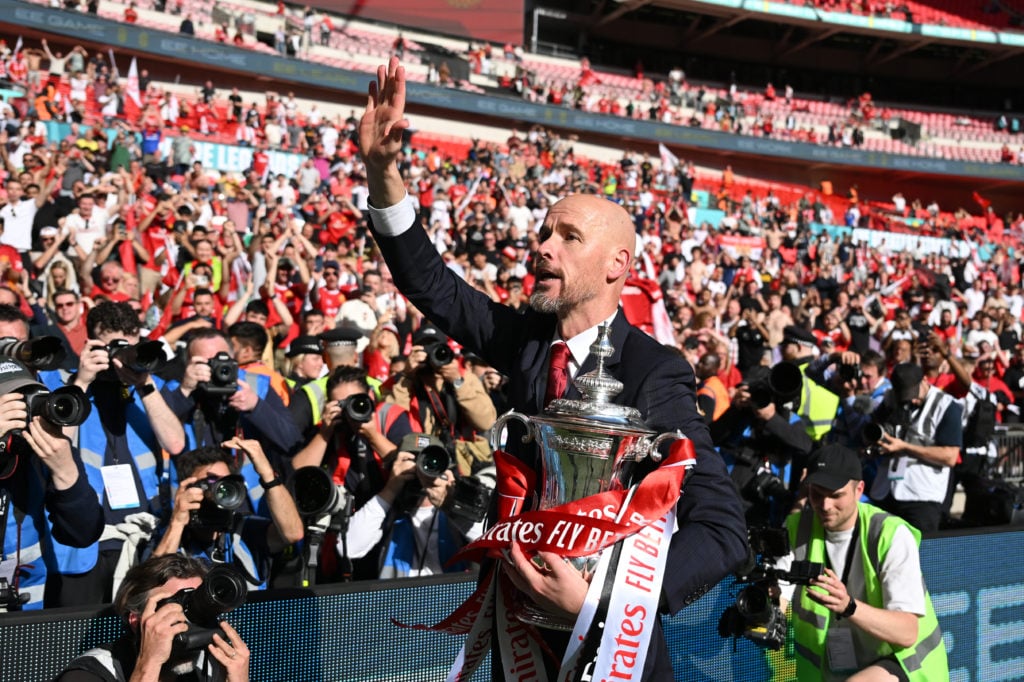
The owners appear to have extended Erik ten Hag’s contract based on the ‘vibes’ following the FA Cup final victory over Man City.
The logic behind the Dan Ashworth debacle? That’s even less clear, but it appears to be at least partly rooted in the intransigence of Ratcliffe’s right-hand man, David Brailsford.
The transition of power has cost over £10m, if you factor in the fee United paid to release Amorim for his Sporting contract. Not ideal when you’re gasping for air in terms of Profit and Sustainability Rules (PSR).
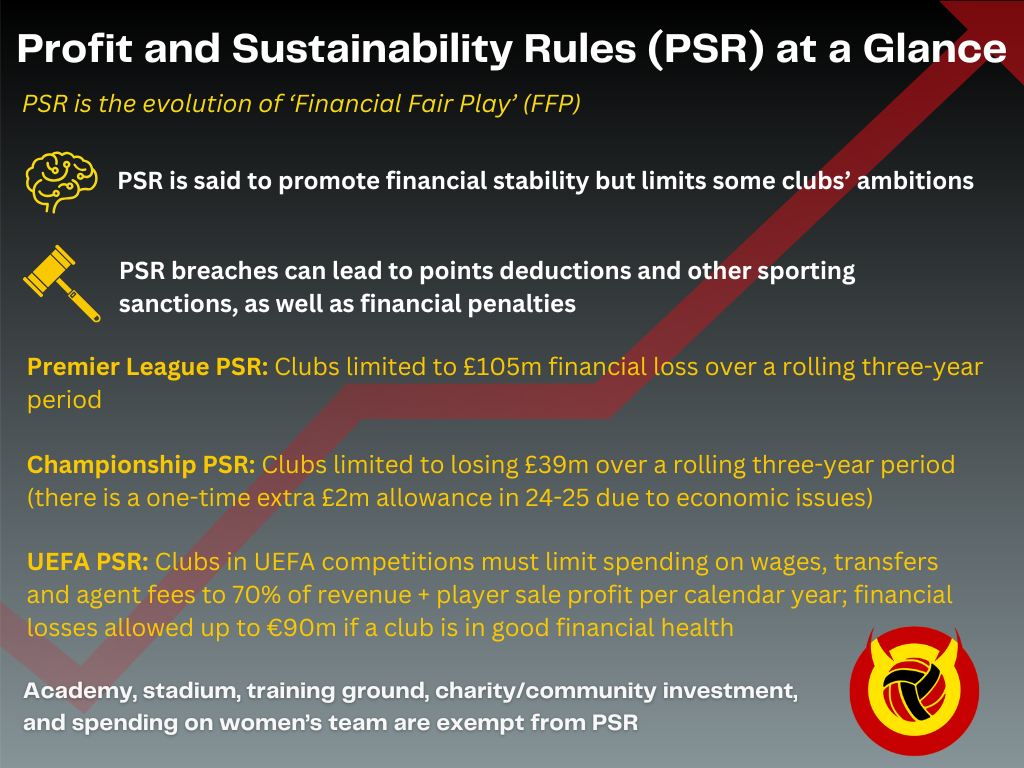
The millstone that is PSR is going to make correcting the mistakes made at Old Trafford in recent years all the more difficult, which in turn will delay the return to former glories Ratcliffe has promised.
And, after a shareholder meeting last week, Omar Berrada’s masterplan to win the Premier League by 2028 is looking increasingly ambitious.
Premier League vote to retain PSR is worrying for Sir Jim Ratcliffe and Man United
Currently, the Premier League’s Profit and Sustainability Rules are based on a club’s profit or loss over a three-year period, with owners allowed to underwrite a maximum deficit of £105m.
The rules, which the Glazers helped engineer, are widely seen as unfit for purpose given they deliver neither profit nor sustainability and are even further from ensuring competitive balance.
In the world of football finance, it has been widely expected that the Premier League would move to a UEFA-style PSR, which capped spending on wages, transfers and agents’ fees at a percentage of revenue.
Indeed, the Premier League has been trialling this model on a non-binding basis in 2024-25, with the view to introducing an 85 per cent cap from 2025-26 onwards.
However, at a quarterly shareholder in London last week, 19 of 20 Premier League clubs voted to retain the existing PSR system for 2025-26.
We don’t know who the one dissenting club was for certain but, as Liverpool University football finance lecturer and industry insider Kieran Maguire explains, it is not good news for United.
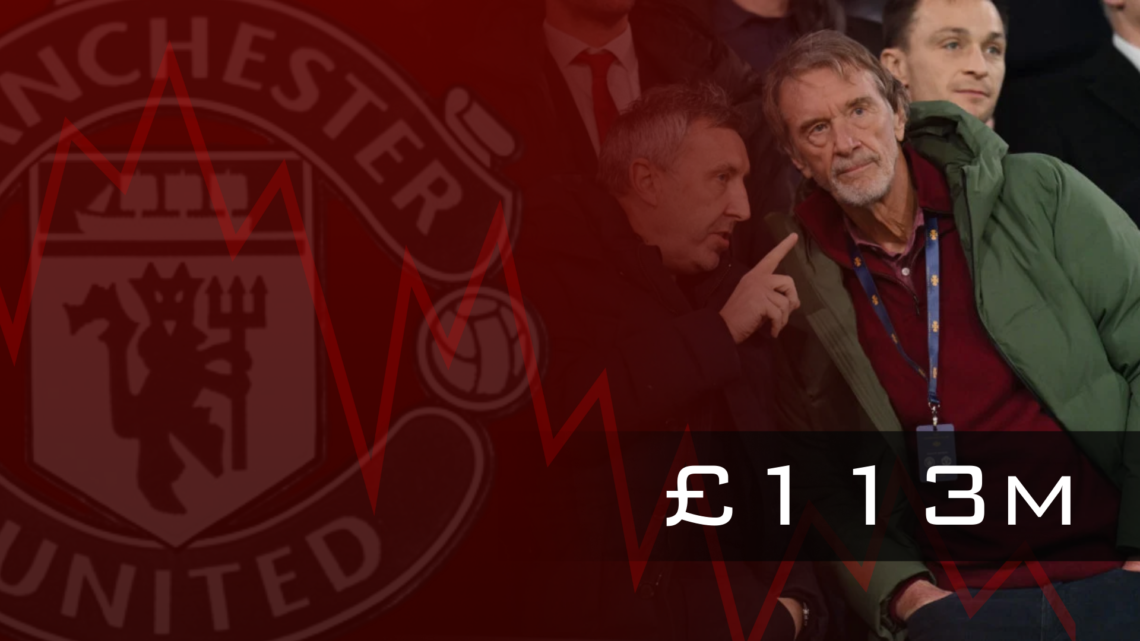
“United have got the problem of the 2023-24 results, which was a £113m loss,” he said in exclusive conversation with UIF.

“That is included in the new PSR calculation. Dropping out is the one modest year that they had, which was 2022-23. That makes things harder.
“What United have been very poor at it in recent years is getting good value in terms of player sales.
“If we look at the period since Sir Alex Ferguson retired, they have got a net spend of £1.7bn, which is by far the highest in the Premier League.
| In | Fee/type | Out | Fee/Type |
| Leny Yoro | £52m | Mason Greenwood | £26.5m |
| Manuel Ugarte | £51m | Scott McTominay | £25m |
| Matthijs de Ligt | £39m | Aaron Wan-Bissaka | £15m |
| Joshua Zirkzee | £36.5m | Hannibal Mejbri | £5.4m |
| Patrick Dorgu | £25m | Willy Kambwala | £5m |
| Noussair Mazraoui | £13m | Facundo Pellistri | £5m |
| Alvaro Carreras | £5m | ||
| Donny van de Beek | £450k | ||
| Raphael Varane | Free | ||
| Omari Forson | Free | ||
| Marcus Rashford | Loan | ||
| Jadon Sancho | Loan | ||
| Antony | Loan | ||
| Tyrell Malacia | Loan | ||
| Daniel Gore | Loan | ||
| Ethan Wheatley | Loan | ||
| Anthony Martial | Released | ||
| Brandon Williams | Released |
“That is partly because Manchester United is a destination club. For example, if Casemiro wasn’t getting a match at Brentford, he’d be off.
“But United still has that cache and mystique about it. Living in the Cheshire triangle, as many football players do, is a very wealthy area. From their perspective, why move?”
- READ MORE: READ MORE: Man Utd can replace Amad Diallo’s unsung quality with wonderkid who is a ‘joy to watch’ – he’s a real ‘nuisance’
The Glazers’ management crisis
But where to apportion the blame for the PSR circus that has pitched up in this corner of Manchester?
“The Glazers have to take responsibility of appointing executives,” said Maguire, discussing the legacy of the family who remain the club’s ultimate owners but have relinquished operational control.

“Success in a business and a football club comes down to three elements: resources, opportunities and management decision making.
“United have greater resources than any other club in the country, with the biggest stadium, fanbase, and reputation. More commercial sponsors want to come to Old Trafford than any other club.
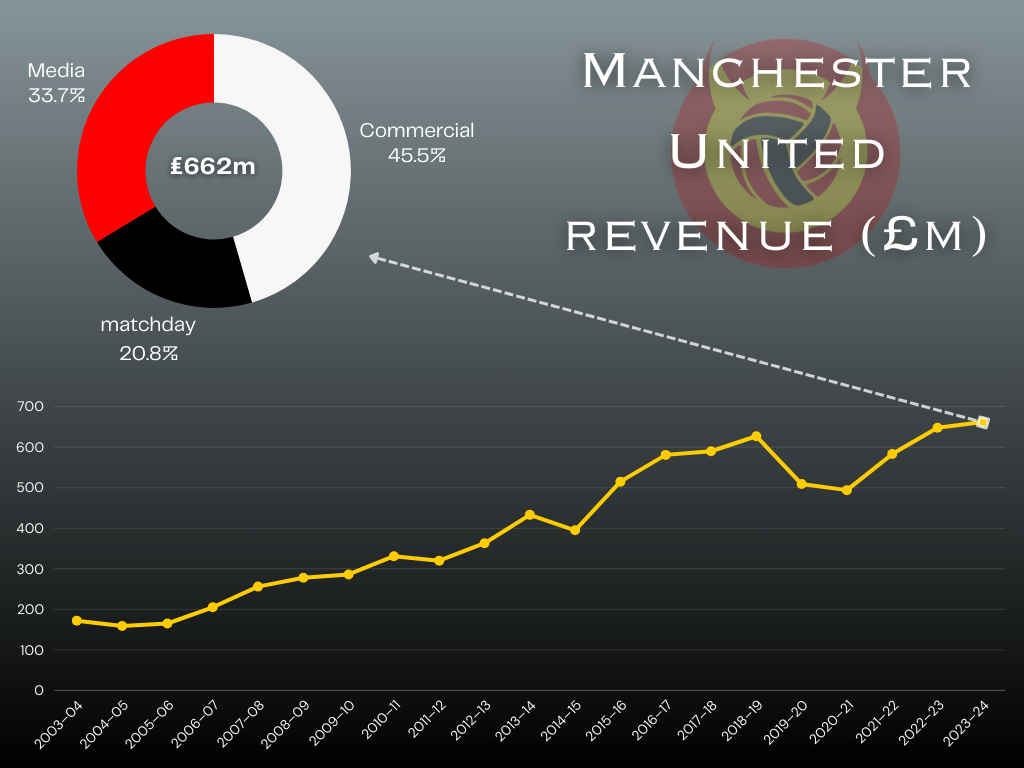
“They have got the opportunities because they are in the Premier League and are in UEFA competitions.
“There are big pluses in two of the three metrics, so you have to look at management decision making. The finger can only be pointed at them.”
- READ MORE: Geovany Quenda to Manchester United update, personal terms agreed ahead of planned £33m deal
‘Arrogant’ Ineos need new approach in football
“There is an arrogance from Ineos that they know best,” says Maguire
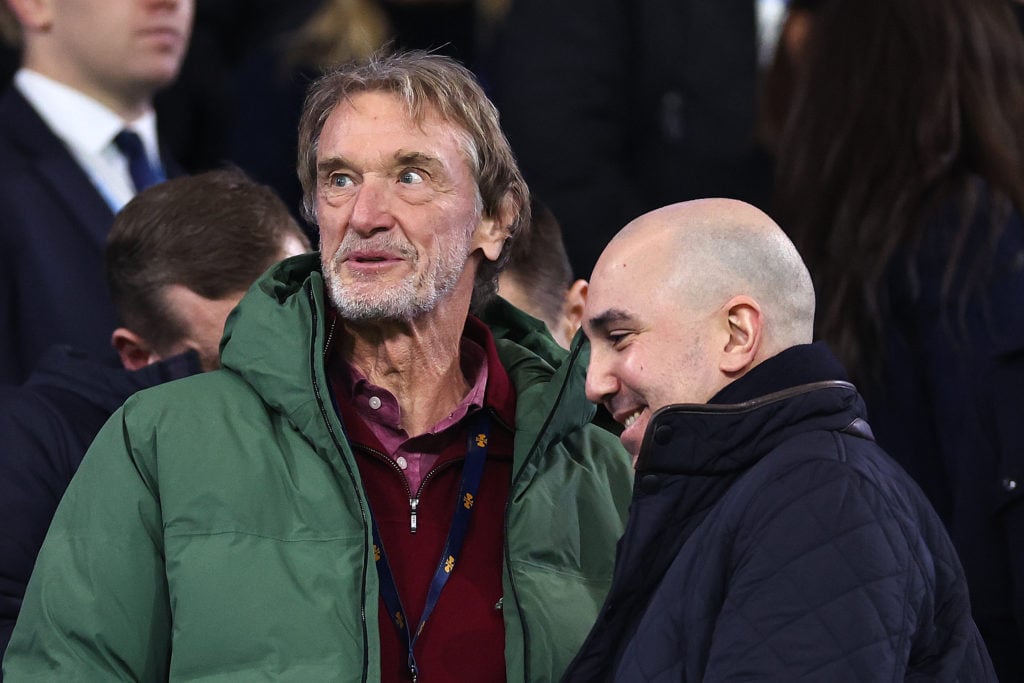
“They think because they have got it right in chemicals that they will get it right in football But their experience in French and Belgian football, as well as in other sports at the moment, doesn’t look positive.
“They have not been able to transfer their ability to generate a return on investment in the product industry to management of a people and services industry in football.
“They keep trying and failing, but their self-belief is undimmed.”
- READ MORE: Ruben Amorim decision on exciting Manchester United teenager sparks confusion around Carrington
Avram Glazer doesn’t want to sell Man United – so what does he want?
Money. Obviously. But where does Avram Glazer, who denied any intentions to sell United in the immediate future when he was doorstepped by a journalist this week, expect the return to come from?
The dividends have dried up. Previously, the Glazers have taken dividends even in years when the club has made a loss, with the owners justifying the payout on the basis of historic financial performance.
However, they have exhausted that line of credit and there won’t be any dividends until United return to consistent profitability.
In any case, the Glazers think the real value lies with the Red Devils’ capital growth, i.e. the value they can extract when they eventually sell the club for good.
| Rank | Club | League | Country | Value | 1-y value change (%) | Revenue | Operating income |
| 1 | Real Madrid | Spanish La Liga | Spain | £5.18bn | 9 | £685m | £60m |
| 2 | Manchester United | English Premier League | England | £5.14bn | 9 | £616m | £147m |
| 3 | Barcelona | Spanish La Liga | Spain | £4.39bn | 2 | £660m | £-114m |
| 4 | Liverpool | English Premier League | England | £4.21bn | 2 | £565m | £80m |
| 5 | Manchester City | English Premier League | England | £4.01bn | 2 | £683m | £111m |
| 6 | Bayern Munich | German Bundesliga | Germany | £3.93bn | 3 | £613m | £66m |
| 7 | Paris Saint-Germain | French Ligue 1 | France | £3.45bn | 4 | £592m | £-99m |
| 8 | Tottenham Hotspur | English Premier League | England | £2.51bn | 14 | £522m | £126m |
| 9 | Chelsea | English Premier League | England | £2.46bn | 1 | £487 M | £0m |
| 10 | Arsenal | English Premier League | England | £2.4bn | 15 | £440m | £110m |
The sale of a minority equity stake to Ratcliffe as opposed to a full takeover was a tacit admission that they think there is far more value to be extracted from United’s IP.
Many in the football finance world think that technology, a media rights revolution, or structural changes in Premier League and European football will deliver the quantum leap the Glazers want.
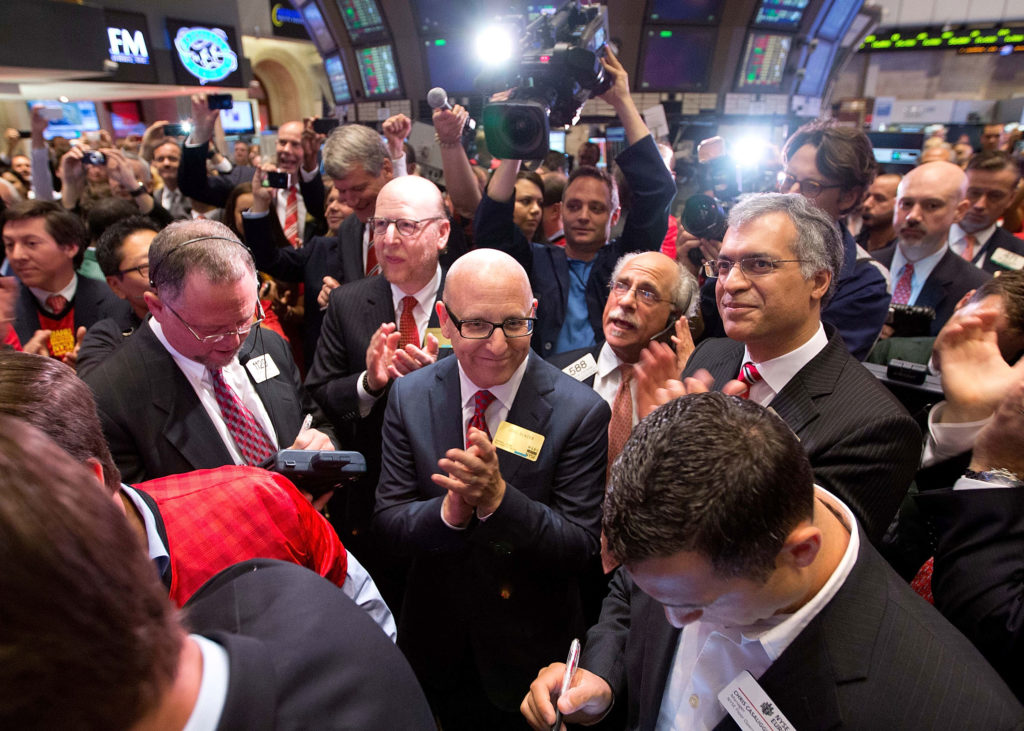
But the concern is that the value of elite Premier League clubs – whose value has trended up and to the right for decades – is a bubble. A bubble bursts when the price of an asset surpasses its inherent value.
In layman’s terms, the Glazers will only make the markup on United they crave if an investor thinks the club can deliver a financial return for them.

The pool of investors who could actually afford the club is now vanishingly small, especially when one considers that it would almost certainly have to be one element of a hedged investment portfolio.
Sovereign wealth funds and private equity titans are the only real market – and that way lies treacherous waters.
Receive a digest of our best United content each week direct to your mailbox