Even for someone as independently wealthy as Sir Jim Ratcliffe, investing in Man United is a major gamble.
The 71-year-old’s fortune spans around £23bn and he has a diverse portfolio across several industries, including his almost bulletproof multinational chemicals company Ineos.
The exact breakdown of his deal to purchase 27 per cent of Man United from the Glazer family in February is not known, although we do know it has not been financed by debt or loans.
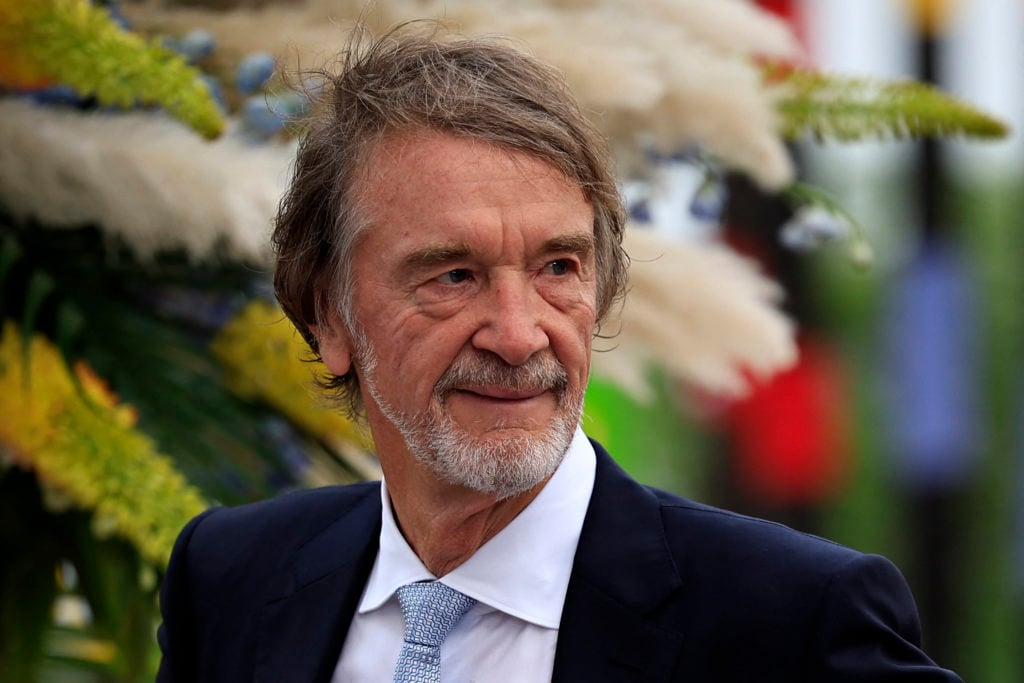
it is believed that Ratcliffe fronted at least some of his personal wealth to finance the deal, as well funding from Ineos and potentially other private sources.
Headquartered in London, Ineos was founded as Inspec in 1992 and purports to generate £48.6bn in annual revenue from the totality of its business ventures.
While its primary sphere of operations continues to be chemical production, Ineos has also branched out into oil and gas, construction, consumer goods and – of course – sport.
INEOS and Ratcliffe remain the majority owner of OGC Nice despite being forced to hand over operational responsibilities to a blind trust in order to satisfy UEFA’s conflict of interest rules.
Lausanne-Sport also fall under the ownership umbrella, as do stakes in Formula 1’s Mercedes team and significant investments in cycling, rugby, athletics and sailing.
The above is just a cursory overview of his business empire, but it does give a sense of how Ratcliffe and his peers in the Ineos boardroom are striving to diversify.
Ineos have now turned their attention to the automotive sector, but this foray has steered into serious challenges in recent days.
Here, we examine what this might mean for Man United and the impact of Ratcliffe’s business on the club in a broader context.
Ratcliffe suffers business setback
Following Ratcliffe’s part-takeover of Man United, Ineos’ commercial relationship with one of the club’s direct rivals was called into question.
In December 2022, it was announced that the Ineos Grenadier had become the ‘official 4×4 vehicle partner’ for Tottenham Hotspur.
While this is a relatively junior-level partnership, some had suggested that Ratcliffe would be reluctant to indirectly finance another Big Six club, even if it was ultimately a negligible investment.
However, the two parties have persisted with the deal, although it has been speculated that the Ineos Grenadier could switch to Man United upon the expiry of the Spurs deal.
The Grenadier is popular and Ineos have faith in the project – to the tune of £1.4bn, to be exact, which they spent before a car even made it off the factory floor.
But production of the Grenadier may now be halted until 2025 due to supply chain issues caused by the potential bankruptcy of one of the firms that provides components to INEOS.
INEOS have ample margin for error to navigate this turbulence, but the production line issues are a genuine concern, especially as they are actively looking to expand their automotive offering.
Fans, finance and fuel: How Ratcliffe’s business empire impacts Man United
Even with controversial actions like mass redundancies at Old Trafford taken, Ratcliffe is still in the honeymoon period in Manchester.
That won’t last forever. When the Oldham-born businessman is no longer seen as a novelty, supporters will rightly scrutinise his wider business and how it might affect United going forward.
Ineos Automotives is still in its nascent phase and the revenue it generates is a fraction of the mothership’s turnover.
However, Ineos is attempting to diversify for strategic reasons and anything that shakes investor confidence in its ability to do so is indisputably a problem for the company.
Petrochemicals remain its core business and will do for some time, but that may not always be the case as environmental regulations tighten.
Man United will likely have to rely on private financing from Ineos for a significant chunk of the costs of their plan to construct a new £2bn stadium.
It now appears that any hope of securing some public funding for the stadium were misplaced and the Glazers have consistently proved they are unwilling to provide finance.
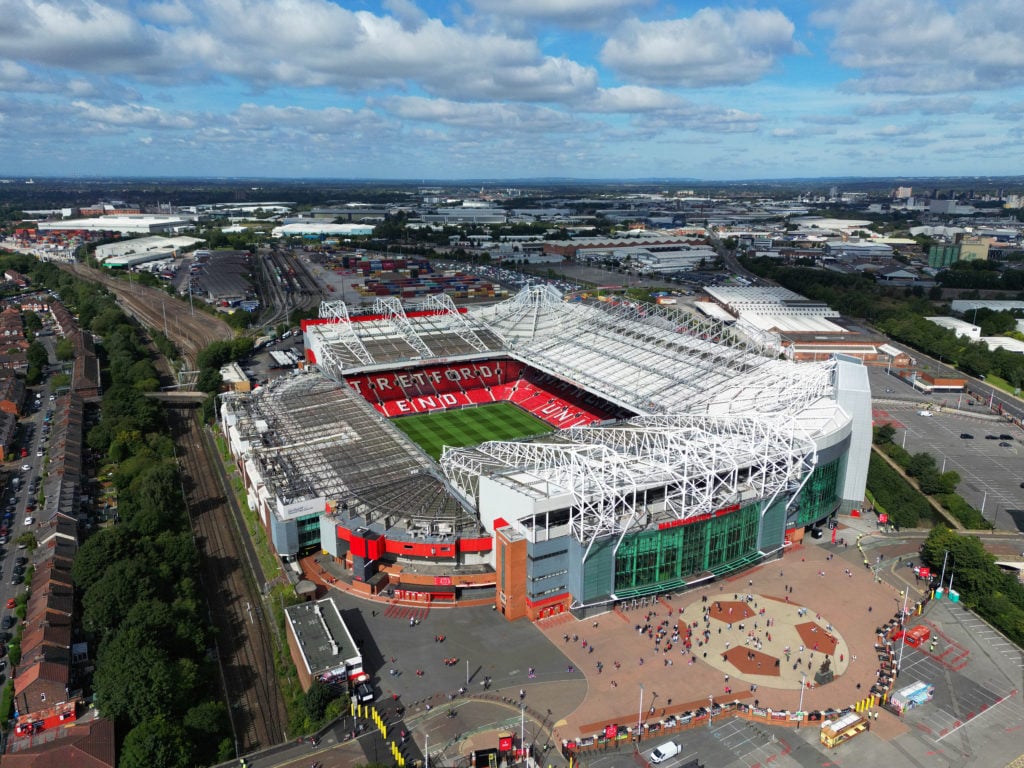
United will likely take on more loans to cover the costs, but their existing burden means that they are limited in how much extra debt they can service.
Again, that makes the external wealth of Ratcliffe and Ineos paramount.
Receive a digest of our best United content each week direct to your mailbox