There’s no doubt what the top story from Man United HQ in recent days has been, but the significance of Ruben Amorim’s appointment is dwarfed by the evolution of Ineos’ masterplan for Old Trafford.
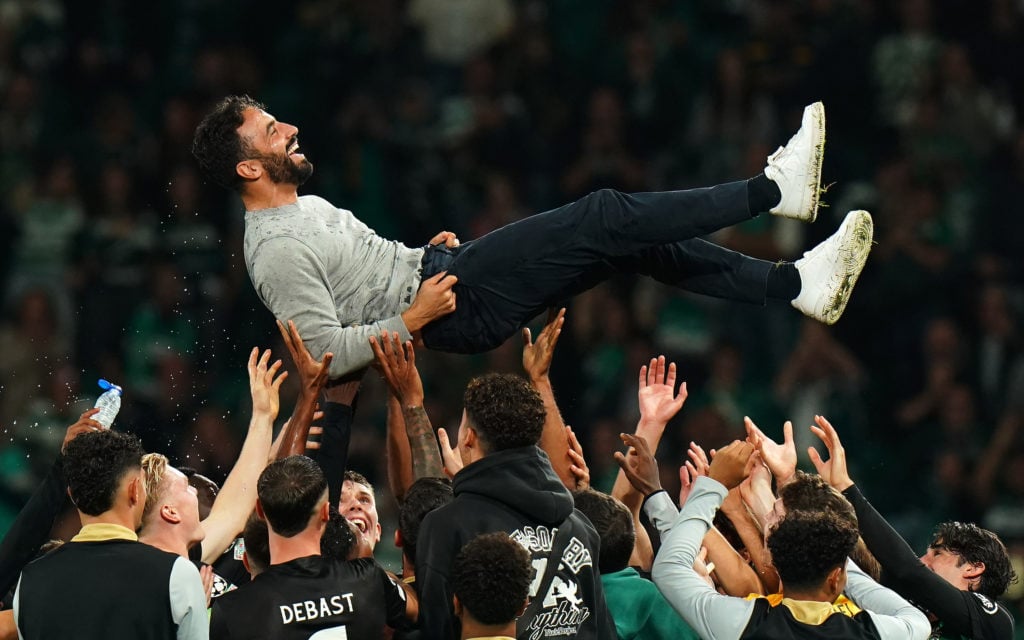
Amorim’s Sporting side dismantled Manchester City 4-1 in what was the Portuguese manager’s final home game at Estádio José Alvalade, a venue that has transformed the club since it opened in 2003.
While it is now more than two decades old, the 50,000-seater stadium brought the 20-time Primeira Liga into the modern era with its sleek silhouette and commercial facilities.
Crucially, the ground has undergone a gradual process of modernisation since its foundation that Man United’s own stadium, Old Trafford, has sorely lacked.
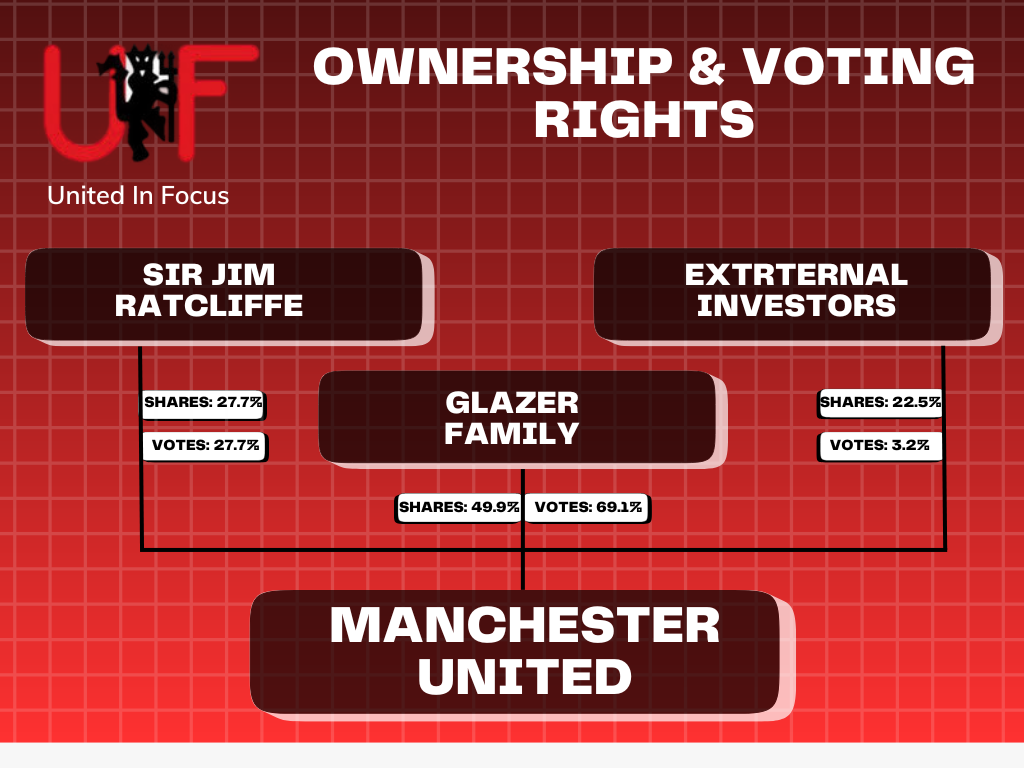
That has largely been because the Glazer family have been reluctant to fund infrastructure upgrades, preferring to treat the club as a passive dividend-printing machine.
In fact, one feature of both the Glazer-engineered European Super League and Project Big Picture plots were central funds that Man United could dip into to pay for stadium and training ground upgrades.
In essence, if leaky, dilapidated Old Trafford was going to get the investment it so badly needed, it wasn’t going to come from their own pockets.
The arrival of Sir Jim Ratcliffe as United’s largest individual shareholder in February immediately signposted that this shameful situation was set to change.
But while the inertia behind the scenes may have been halted, myriad questions about the future of Old Trafford remain.
How many spectators can the club accommodate? Will Man United build a new stadium? Will they stay at the site they have occupied since 1910? How will they afford a project costing north of £2bn?
And the latest news from M16 this week illustrates why the answers to these questions are far from clear.
Man United set for £4m-plus bill after news from Downing Street
Any capital expenditure project at the scale that United are considering is interlaced with the wider economic environment.
Everton have found this out to their cost. The war in Ukraine, stubbornly high interest rates, and other political factors mean their Bramley Moore Dock stadium has come out around £300m over budget.
Ratcliffe knows this. It is probably at least partly why he hosted then leader of the opposition Sir Kier Starmer at Old Trafford in May.
Now prime minister, Starmer and his chancellor Rachel Reeves have just released their first budget, which will see United pay approximately £4m per year in national insurance based on their 2023-24 wage bill.
But the impact of the budget could be felt far more deeply at United if, as The Telegraph report is possible, it has a knock-on effect on the public funds available for the Old Trafford project.
With post-election talk of a £44bn fiscal blackhole, it quickly became apparent that Ratcliffe would not get any funding for the stadium itself, despite his argument that it could be the “Wembley of the North”.
But the infrastructure for the surrounding area, which will come at huge expense, is another matter.
The Telegraph claim that United have now delayed a decision on whether the build a new 100,000-seater stadium or redevelop Old Trafford itself until next summer.
The report says that they will wait until the impact of the budget’s implications for Greater Manchester’s capital infrastructure investment budget have become clearer to civic leaders.
- READ MORE: Manchester United have another chance to sign £76.4m Paris Saint-Germain ace but must be wary
The cost of the Old Trafford project and why £2bn might not be enough
Essentially, with so many moving parts, United do not know how much the project will cost.
£2bn is the headline figure that has been circulated and that would tally with what similarly ambitious stadiums designed by Populous, the firm enlisted by Ineos for the project, have cost.
But the variables in terms of public funding make and United’s wider financial picture things more complicated.
Tottenham, for example, received £32m in government grants for the Tottenham Hotspur Stadium in 2019.
The use of public funds was controversial even then but would be far more so in the current economic environment, with budgets tighter and the Premier League’s relationship with the government strained.
Ratcliffe and Ineos would be able to go to the commercial loan markets to secure funding, but high interest rates as well as the club’s existing debt mean that may not be as easy as some have suggested.
- READ MORE: Ruben Amorim plans to change his style of play at Man United but it is actually great news for fans
Sir Jim Ratcliffe comments on Labour and Old Trafford funding
Ratcliffe’s relationship with the government, both at national and local level could be key going forward.
The Old Trafford Regeneration Taskforce is chaired by 2012 Olympics tsar Lord Sebastian Coe and, as well as United legend Gary Neville, lists local Greater Manchester mayor Andy Burnham and Trafford Council CEO Sara Todd among its members.
Ratcliffe’s relationship with the government itself is nuanced, with the chemicals billionaire saying before May’s general election: “You can see that the mood in the UK is ready for a change, they’ve had enough.
“The Conservatives now have had a fairly long stint and they’ve put forward a whole series of prime ministers that haven’t been terribly successful.
“I like Keir. I think he’ll do a very sensible job.”
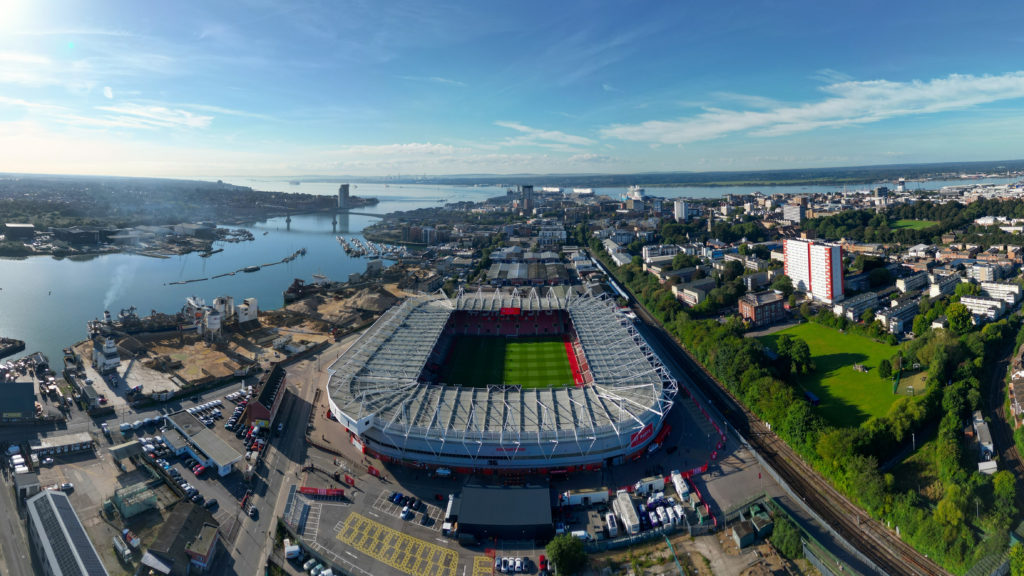
However, Ratcliffe has also publicly opposed Labour’s plans to introduce an independent football regulator, which they have strengthened since the Conservative’s original version of the bill.
“The Premier League is probably the most successful sporting league in the world, certainly the most successful football league in the world,” the 72-year-old said in June.
“And we have this expression in northern England: ‘If it ain’t broke, don’t fix it.’
“If you start interfering too much, bringing too much regulation in, then you finish up with the Manchester City issue, you finish up with the Everton issue, you finish up with the Nottingham Forest issue – on and on and on.
“If you’re not careful the Premier League is going to finish up spending more time in court than it is thinking about what’s good for the league. We have got the best league in the world, don’t ruin that league for heaven’s sake.”
- READ MORE: Forget Fernandez and Gomes, another ex-Red Devils wonderkid is preparing to show Man Utd up
Will Man United build a new stadium or expand Old Trafford?
As well as outlining the complexities around building a new stadium, The Telegraph quoted a survey that showed that most United fans favour a move to a new stadium.
31 per cent of fans meanwhile want to remain at a redeveloped Old Trafford, while 17 per cent are undecided.
A redeveloped Old Trafford is the preference for 31 per cent of fans, with 17 per cent said to be unsure which option they would prefer.
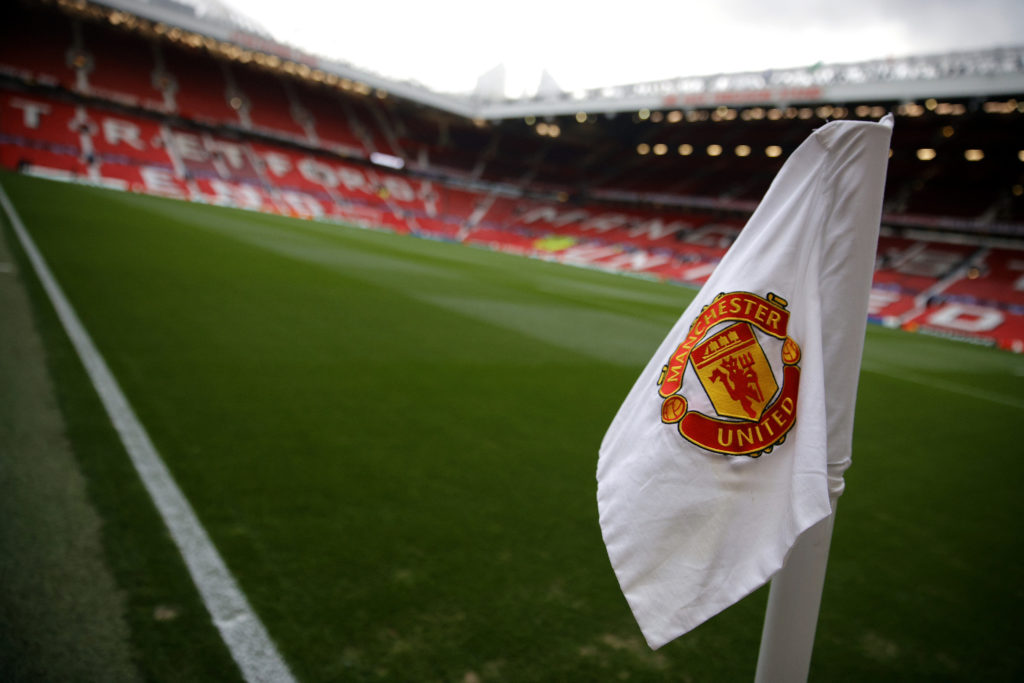
If United do go with a new-build approach, the costs would soar due to the need to acquire additional land on the site.
The geography of a rail freight terminal next to Old Trafford further complicates matters and again illustrates United’s need for robust political relations to see the project through.
Receive a digest of our best United content each week direct to your mailbox