

The biggest buzzword at Manchester United since the arrival of Ineos has been “cost-cutting” as Sir Jim Ratcliffe and Co have gone about making redundancies but the biggest one yet has arrived now.
Nearly 250 jobs lost, uncertainty over many others, a revamped executive structure to work with, and an ambitious tone have set the narrative at Manchester United.
It is a far cry from the days of the Glazers, where apathy ruled the day and the allegation of “Jobs for boys” was increasingly getting traction.
However, have Ineos gone too far on the other extreme end of the spectrum with their diktats as so many jobs have been lost?
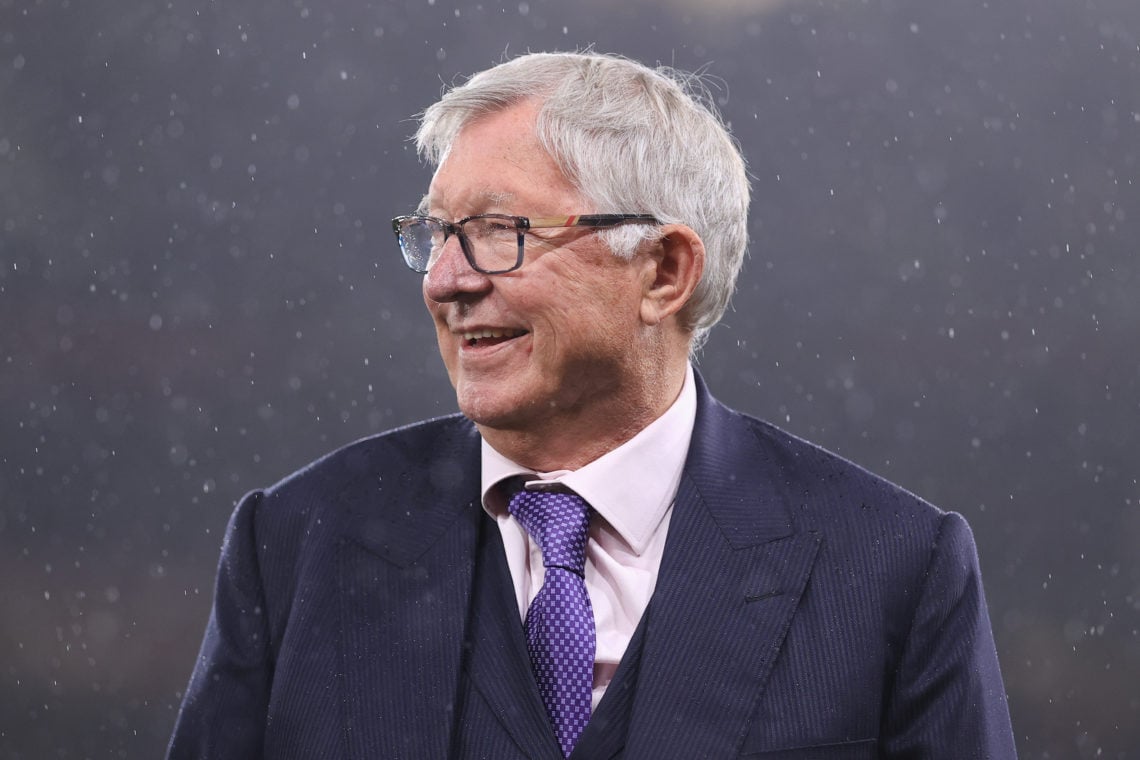
If that was debatable previously, many Man Utd fans would have made their minds up by now since Sir Alex Ferguson has lost his ambassador contract at Old Trafford under Sir Jim Ratcliffe’s “cost-cutting measures”.
Finance expert and GRV Media’s Head of Football Finance and Governance Content, Adam Williams, has delivered a harsh reality check on their latest decision.

Ineos cut Sir Alex Ferguson’s Man Utd contract
United fans were shocked recently as The Athletic reported that Sir Jim Ratcliffe met face-to-face with Sir Alex Ferguson recently to inform him that his ambassador contract is being cut.
The legendary Man Utd manager has been on this contract since retiring from the management role in 2013.
It pays him about £2.16 million every year and the argument can be made that he is most responsible for United turning into a powerhouse on and off the pitch so the payment makes sense.
United fans are divided over Ineos’ decision but Adam Williams puts this decision in perspective by comparing it with another decision of Ineos that divided fans, delivering a harsh reality check in the process.
He said: “First things first, United need to cut costs. That’s indisputable. They lost £113m last year and almost £160m combined in the two previous years combined.
“Under PSR, you’re allowed to lose £105m over a rolling three-year period. They have only just scraped under that threshold because of the £40m worth of lost income they attributed to the pandemic last season, as well as other allowable expenses such as infrastructure and academy investment.
“Sir Jim Ratcliffe’s M.O since buying his stake in United has been to cut costs and find efficiencies – and rightly so.
“Some of these measures have been relatively uncontroversial and welcomed by supporters, such as the decision to move to an incentive-based contract structure.
“Others, such as the decision to fire over 250 staff pretty unceremoniously in the summer have been greeted with far more scrutiny.
“Their latest accounts showed that they have spent around £10m to axe those staff, who were from varied levels of seniority and employed across almost every department in the club.
“Incidentally, they called that manoeuvre a ‘headcount rationalisation’, which I think is pretty telling. To the owners, those people have just been viewed as numbers on the balance sheet.
“Those employees won’t get a gushing statement, as Ferguson inevitably – and correctly – will.
“I have nothing but respect for Sir Alex Ferguson and if United supporters are comfortable with paying him £2m-a-year for a ceremonial role, I’m very much of the mind that their voice should be heard. It’s their club.
“But personally, if it’s a choice between firing 250 staff during a cost of living crisis or removing one man from a largely ceremonial role, I know which one I would choose.
“Alex Ferguson grew up working class and has always championed socialist values, so I am sure he would say the same.
“That said, it’s not as if it’s an either-or decision. I just think it’s somewhat unfortunate that this will inevitably generate more headlines when in reality the other decision is far worse.”
What next from Ineos at Man Utd?
Just when it looked like Ineos were done with making executive changes at the club, they hire someone to fill a role that didn’t even exist before them.
Christopher Vivell as Head of Recruitment was one example, and the appointment of Andreas Georgson as set-piece coach was the first at Carrington too.
The same goes for their off-field decisions. The era of cutting costs was thought to be short and brutal but this decision clearly shows they are still assessing their options and streamlining operations.
What this says clearly is that for the new regime, the bottom line means everything and they are not in it to do anything else but ensure that line remains green.
Consequently, this gives a major hint about Erik ten Hag and his fate at the club. The board’s support for the manager right now could be down the team being six points away from the top four but as soon as that gap widens uncomfortably, expect the axe to fall.
It was said that their sticking to Ten Hag could be a case of sunk cost fallacy but this decision with Sir Alex Ferguson proves that there is no emotion or ego involved in their decisions.
The moment it becomes costlier to keep Ten Hag (missing out on the Champions League) than to fire him, that decision will arrive.
Receive a digest of our best United content each week direct to your mailbox