In football, 2026 has been a good year for Sir Jim Ratcliffe, with Manchester United losing just three times and qualifying for the Champions League. But for Ineos as a global business, anxieties persist.
Most of Ineos’ revenue comes from oil and chemicals, with sidelines in the automotive industry and sport.
While Man United are easily their most famous asset, their club-record revenue of £667m last season would be less than 1.75 per cent of Ineos Group’s total turnover, which they say is close to £38bn.
But these are trying times for Ineos. The company is feeling the squeeze from green energy taxes and being undercut by Chinese rivals.
And if you think United’s annual interest payments are extreme, just take a look at the £1.8bn-plus Ineos paid last year to service debts totalling more than £18bn.
How worried are you about Ineos’ financial issues?
Will there be any major impact at Man United?

Debt isn’t always a dirty word in finance, as long as – unlike the majority of United’s £1.3bn debt pile, of which a majority is a legacy of the Glazers’ leveraged buyout – it facilitates growth. Indeed, Sir Jim Ratcliffe himself used debt to launch his chemicals empire, buying distressed assets on the cheap and turning them around.
But Ineos’ current predicament is daunting. By Ratcliffe’s own admission in an open letter to European politicians in 2025, his “industry is in crisis”. Credit rating agencies have persistently downgraded the company’s various divisions in recent years, and a huge tranche of debt is due for repayment in 2027.
Some commentators have even suggested that they are effectively betting the farm on being the last man standing in Europe’s chemicals industry in a boom-or-bust strategy.
Okay, readers of United in Focus, you probably aren’t particularly interested in Ineos’ EBITDA figures, the nuances of leveraged finance or Europe’s trade defence strategy.
But there is real overlap in Ineos’ wider fortunes and Manchester United’s budgets for transfers, wages, operating costs and infrastructure projects. And that makes The Sunday Times’ new revelations about Ineos all the more concerning.
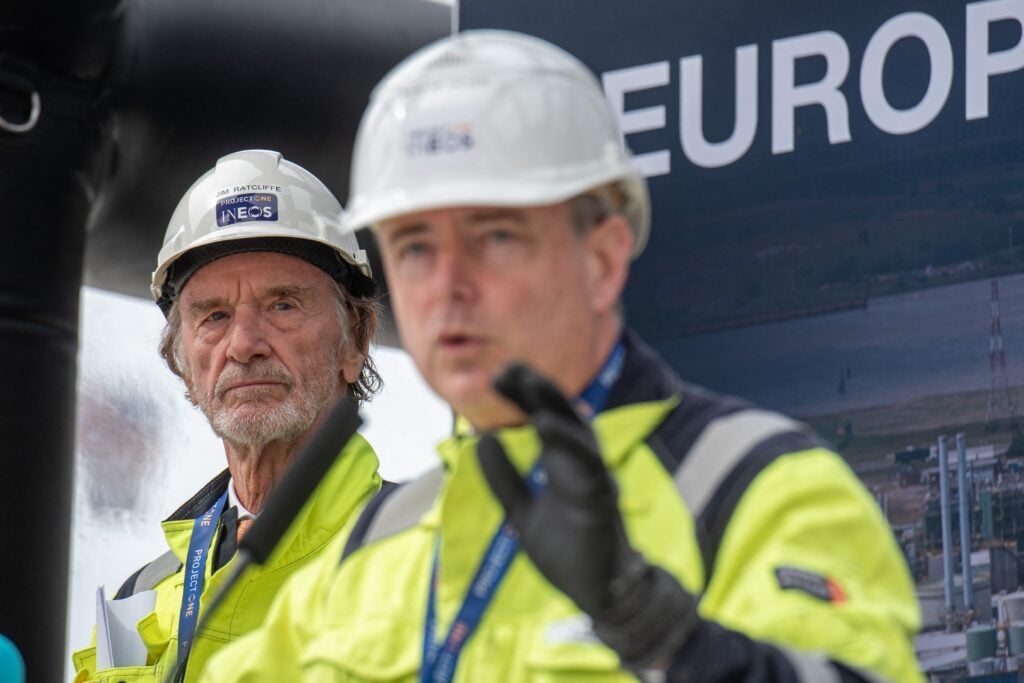
Ineos shareholders see £3bn wiped from fortunes
Published today, The Sunday Times annual rich list details the movements in the fortunes of the 350 richest people in Britain.
Ratcliffe is now in 9th place, down from 7th last year, with an estimated £1.852bn fall in his wealth making him now worth £15.194bn.
Ratcliffe owns about 60 per cent of Ineos, with the remaining equity split between Andy Currie and John Reece. Currie sits as a statutory director on United’s board, while Reece is listed under ‘other directors’ in the latest edition of the Premier League’s Owners’ and Directors’ register.
According to the Sunday Times, Currie is now the 38th richest person in the country, down 12 places from the 2025 edition. That equates to a loss of £576m from his now £4.762bn fortune.
Appraised at £4.744bn meanwhile, Reece has fallen three places to 40th, losing £572m.
That takes the three United powerbrokers’ losses for the year to exactly £3bn, nearly treble what they paid to acquire about 28 per cent of the club in February 2024.
What does this mean for Man United?
Estimating an individual’s worth is always tricky business. You’re always going to be dealing with conjecture, to an extent. Ultimately, the only people who really know exactly how much Ratcliffe, Currie and Reece are really worth are themselves and their wealth advisers.
What’s more, the £3bn the Sunday Times suggests that they have lost is primarily down to a decline in the value of their assets, as opposed to the cold, hard cash they have in their bank accounts.
Still, such a sharp fall could, theoretically, have an impact on United in the future.
Ratcliffe has already plunged £1.25bn into the project, supplementing his initial purchase price with further day-to-day funding of about £240m since the part-takeover. Given that Ineos aren’t exactly drowning in free cash, he does not want to underwrite further losses at Old Trafford.
As such, the club has extended its credit facilities and has gambled on success on the pitch by back loading transfers to the tune of £447m at the last count. In layman’s terms, that’s the amount they owe other clubs in instalments for new signings.
Then, there’s the new stadium. Likely to cost in excess of £2bn, United will need to access the best lines of credit to be able to make a 100,000-seater stadium financially viable. And lenders will look at how highly Ineos are already leveraged elsewhere when they make their assessment.
United now plan for the new stadium to be ready for 2035 – What do you think about this?

That is partly why Champions League football was so imperative for next season.
Not only does it restore some sporting pride to a club starved of it, but it could also generate revenues of up to £175m next season, which will hugely relieve anxieties about sourcing external funding, either through debt or Ineos.
Heading into the summer transfer market, United still need to make sales, operational efficiencies still need to be found, and only sustained success on the pitch will make them cash-flow positive in the long term.
But the drop-off in Ineos’ supposed worth does highlight just how valuable Michael Carrick’s restoration of the Red Devils has been – and they can afford to go big again in the transfer market this summer
Receive a digest of our best United content each week direct to your mailbox