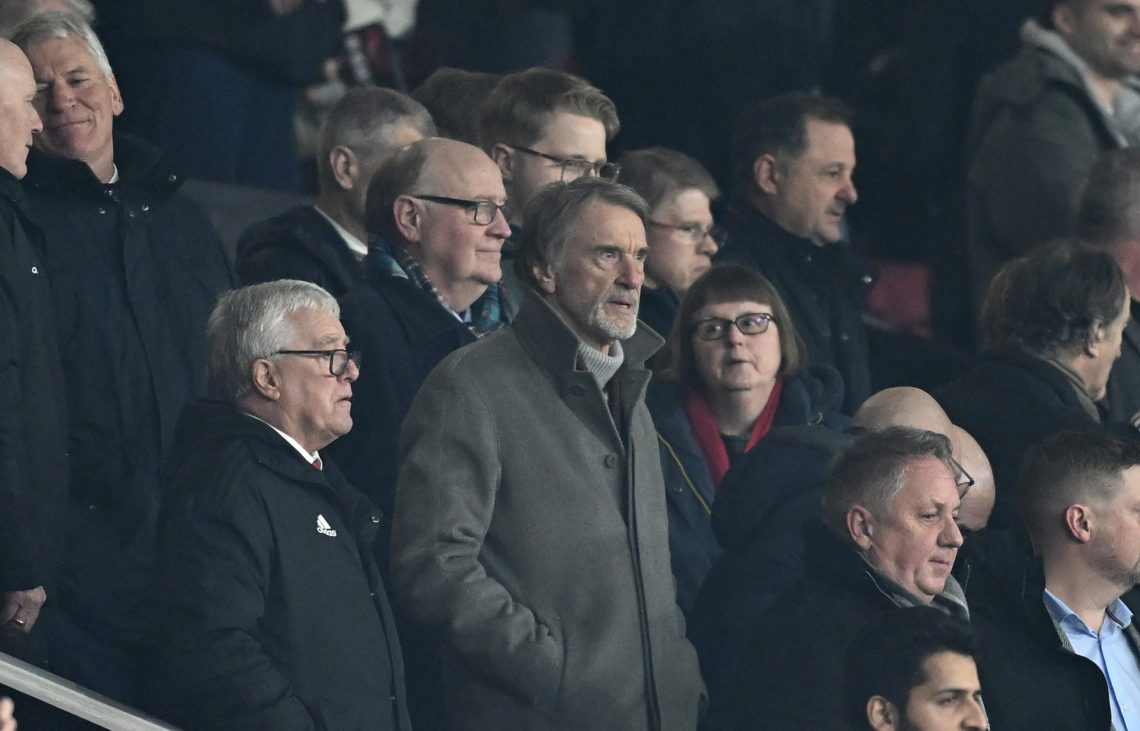

Sir Jim Ratcliffe is one of the wealthiest men in the United Kingdom.
The Manchester United co-owner has been given the difficult task of steering the club in the right direction after 18 years of the Glazer family, who remain as majority owners.
Sir Jim Ratcliffe has not held back from difficult decisions, from making over 250 staff redundant to increasing ticket prices. There is a feeling more difficult decisions are on the way, but it shows how poorly run the club was under Glazer’s guideship.
Ineos are hell-bent on getting it right at United, and the world is watching closely. Every decision will get criticised by fans as well as the media.
United did not have enough money to bring in a striker in January, but they signed Patrick Dorgu and Ayden Heaven to bolster Ruben Amorim’s defence.
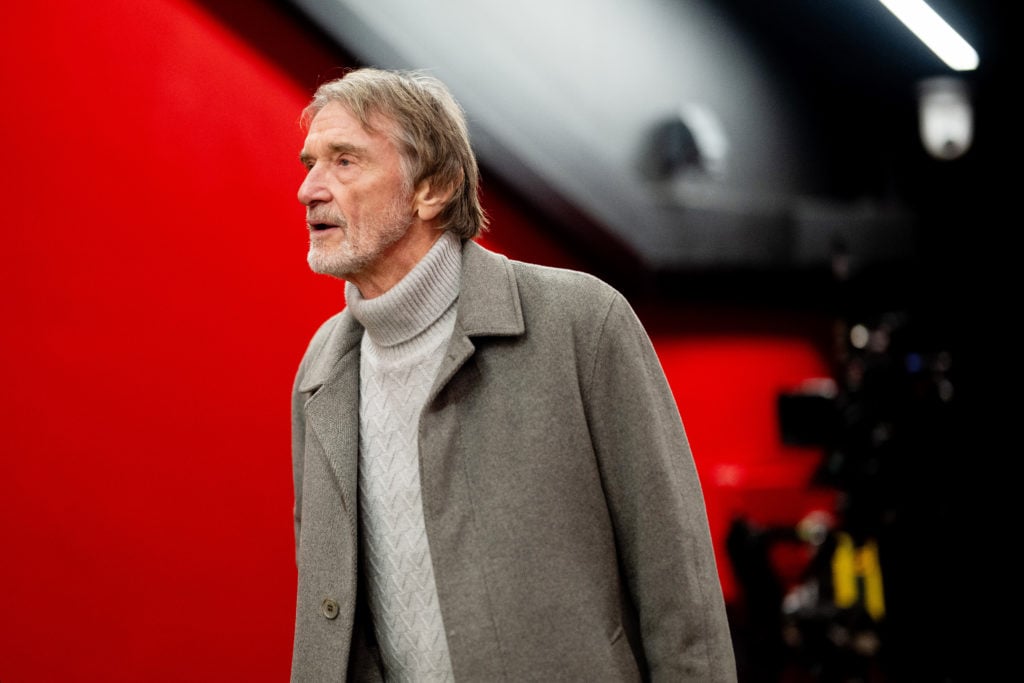
Sir Jim Ratcliffe ready to sell Ineos Hygienics
Sir Jim Ratcliffe is preparing to sell over the business he set up during the COVID-19 crisis to distribute hand sanitisers to medical professionals and consumers.
According to Sky News, the British billionaire has instructed advisors to launch an auction of Ineos Hygienics.
Ineos are believed to be working with Interpath, the advisory firm, on the sale.
Ineos has sought to promote the sanitiser arm by linking it to its sporting properties, which includes a stake in the Mercedes Formula One team.
We usually hear of Sir Jim Ratcliffe buying properties rather than sell them. Perhaps United is costing him more than what he thought it would.
How Ineos sale could impact Manchester United
It’s clear from United’s transfer activity in January that they are short on cash.
Fans will be concerned to hear that ahead of the summer transfer window, but Ratcliffe could be trying to sell parts of Ineos to held him fund United in the future.
United in Focus’ finance expert, Adam Williams explains: “Ineos Hygienics obviously served huge demand during the pandemic but is currently losing money for the parent company, which in turn is a drain on resources for Ineos as they have to underwrite the subsidiary’s shortfall.
“That said, the losses are only a fraction of the profits that the parent company makes. They were in the green by close to £1bn in the last financial year, for example.
“I’m not aware of what the enterprise value of Ineos Hygienics is but I don’t think a sale will move the needle that much in terms of liquidity or the cash in the bank available for Ratcliffe, who owns about 60 per cent of Ineos’ equity.
“No element of Ratcliffe’s business empire exists in a vacuum, however. And as the asset that is demanding most of his attention and resources at the moment, United will have been considered as part of this decision.
“It could potentially free up some funds for the stadium project. I think most of that will be financed by debt but, even with a modest amount of government funding on top of that, Ratcliffe will still be expected to front a portion of the costs. It is highly unlikely that the Glazers will get involved, which I imagine was a condition of the sale to Ratcliffe.
“However, if the proceeds from the Ineos Hygienics sale are part of that, it will only be as one move in a much bigger game of chess given the scale of the project.”
Ratcliffe will plan to one day one a higher percentage of United, which would involve buying a bigger stake from the Glazer family.
Receive a digest of our best United content each week direct to your mailbox