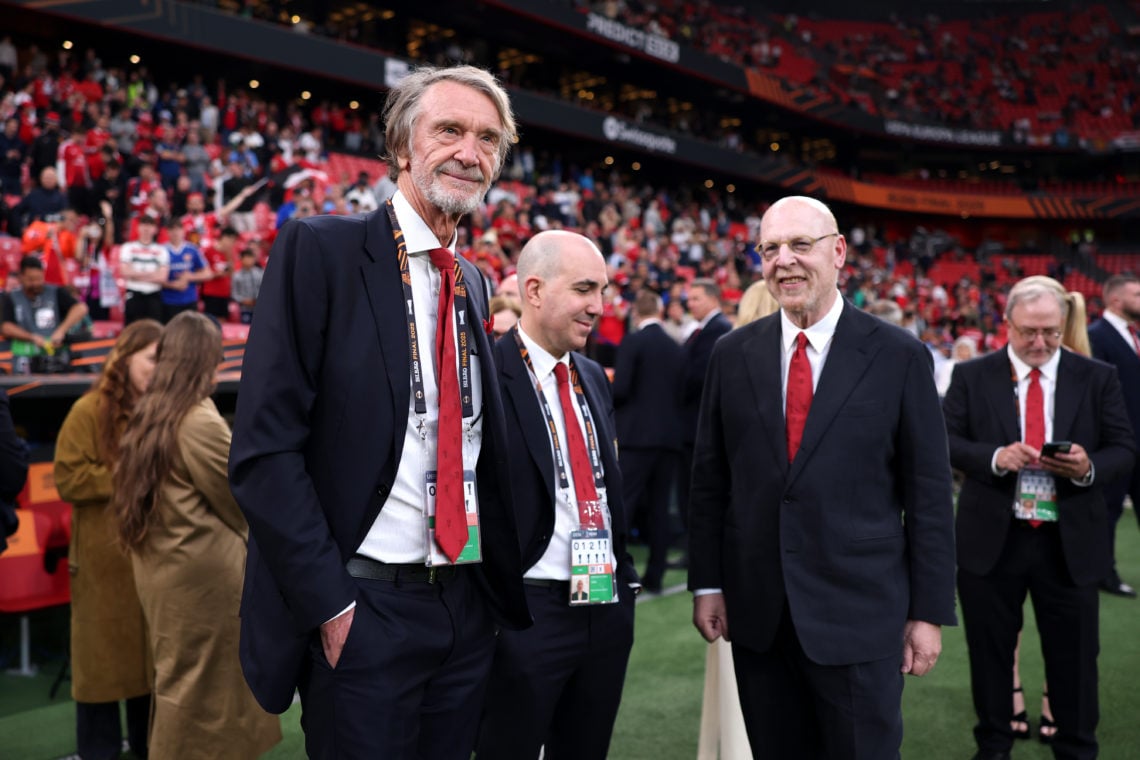


Reports of the Glazer family considering a sale of their Manchester United stake have sparked new talk of a club takeover.
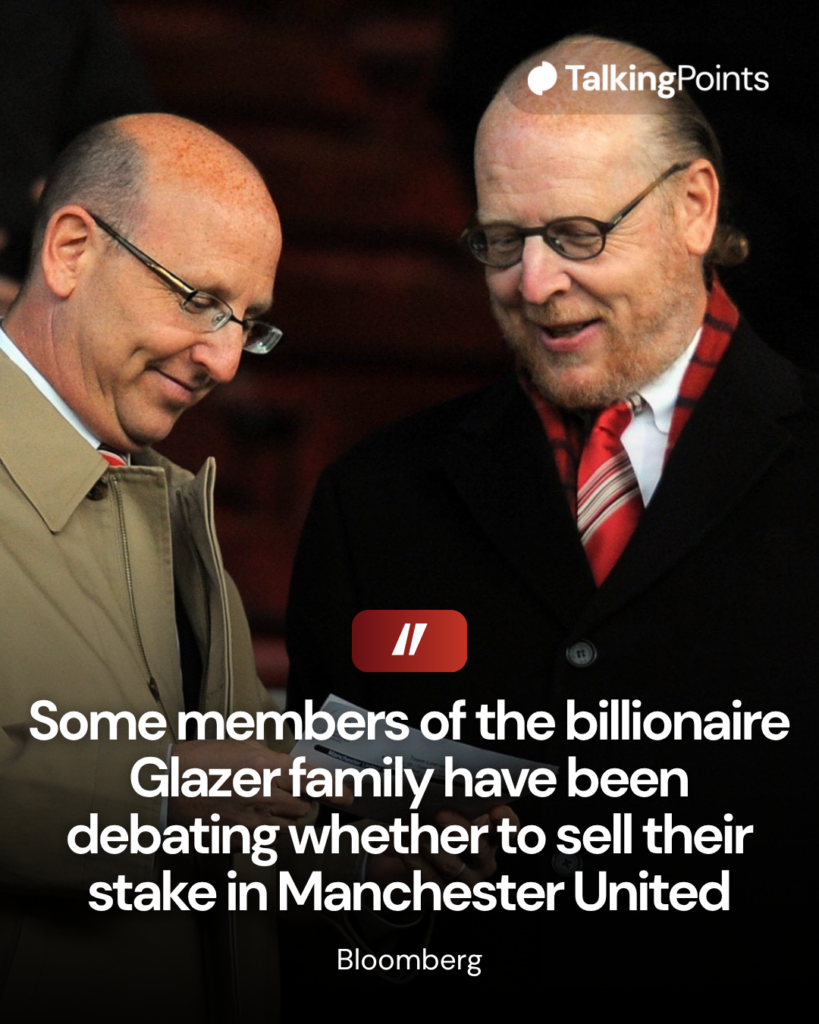
According to business outlet Bloomberg, members of the Glazer family are considering a sale of their shares in Manchester United.
The Glazers are still majority shareholders at Old Trafford. Sir Jim Ratcliffe owns around 29% of United following his minority takeover in 2023.
While Ineos have sporting control at United, there have been rumours of a full takeover for months now. But if a bidder did emerge, what is the current valuation of the football club?
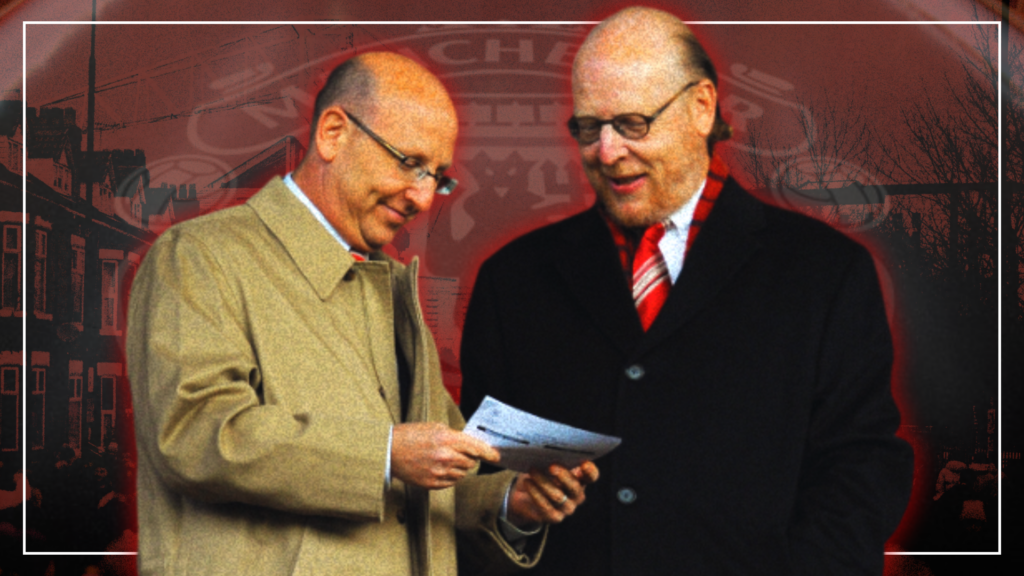
Bloomberg reports members of the Glazer family are considering selling up: What are your thoughts?
Do you have any faith this could be a full sale, or are we looking at a gradual share sell-off?
Finance expert on Man United’s true valuation
Football finance expert Adam Williams has exclusively told United in Focus about the current valuation if a full takeover was to take place.
“There are a million different ways to value a football club, and ultimately you’re beholden to what the market thinks rather than formulas. But with United, there is a lot of data to get into that would help any prospective buyer gauge how much to bid.
“For starters, you’ve got the actual share price on the New York Stock Exchange. That’s about $21 at present, but it does fluctuate quite a lot because it’s a popular stock for retail investors and they react to events which, in reality, might not actually mean much in terms of United’s actual business.
“Still, that price implies a valuation of $3.64bn, so that’s your first valuation right there. But that is at the very lowest end of the range and, because the publicly listed shares have almost no voting rights, it’s not a reliable way of measuring the club’s enterprise value.
“We’ve also got the benchmark of the sale to Ratcliffe, which went through at $33 per share. That valued the club at around £4.5bn at the time, but he paid a premium to buy a lot of the Glazers’ vote-carrying B shares and for the control document, which states that he can run the football side of the club from day to day.
“In reality, if there was ever a full sale then it would be over and above the $33 per share, so £4.5bn is your real minimum, I would say.
“The reason the Glazers didn’t go for a full sale was because their valuation wasn’t met, by Sheikh Jassim nor any of the financial institutions who were looking at United at the time. They wanted £6bn for an outright sale. So, how have they reached that number?
“Usually when you’re valuing a business, you’re doing a discounted cash flow analysis, basically seeing how much real cash profit it makes over time and adjusting for your investment timeline. But that method – as well as methods like revenue multiples – aren’t particularly useful in football, in my view.
“For one, United lose cash every year at the moment. For the club to be able to justify a £4bn, £5bn or £6bn valuation, they need a pathway to sustainable profitability, I think. Yes, you can run a capital appreciation model where the aim isn’t to take money out of the club but rather to increase the value of the business and sell on to the next guy for a higher price, but someone, at some point needs to make the club actually work as a business.
“Otherwise it’s what we call ‘Greater Fool Theory’. Without wanting to get too technical, when the price of an asset exceeds its inherent value, that’s when you have a bubble. And bubbles eventually burst.
“That’s a long-winded way of saying that I don’t think that the likes of Forbes, Deloitte and so on – who generally value United at £4-5bn – are being particularly sophisticated in their analysis, even if it is mathematically sound. For that to work, football’s entire economics need to change. Maybe if Squad Cost Ratios are strengthened, you could move further towards that place, but it’s a long, long way off.
“The counterargument you can make is that you’re paying for the prestige of owning the club rather than actually being able to make any money out of it. But there truly aren’t many people rich enough in the world who can pay £5bn and not expect a return of some sort.“
After a dramatic start to 2026, what is your message to Sir Jim Ratcliffe?

Man United’s valuation is increasing
As pointed out by Williams, the Glazers initially wanted a £6 billion bid in order to sell their full share in United.
Recently, United’s share prices soared on the New York Stock Exchange, a sign that the club is headed in the right direction – even if the share prices have fluctuated a lot.
With plans on the horizon to build a 100,000-seater stadium and an ambitious project to win the Premier League in the next few years, there are a lot of reasons to be hopeful about United’s future.
That will increase the club’s valuation, and it could represent a good time for the Glazers to sell if they are looking at stepping away from ownership.
Receive a digest of our best United content each week direct to your mailbox