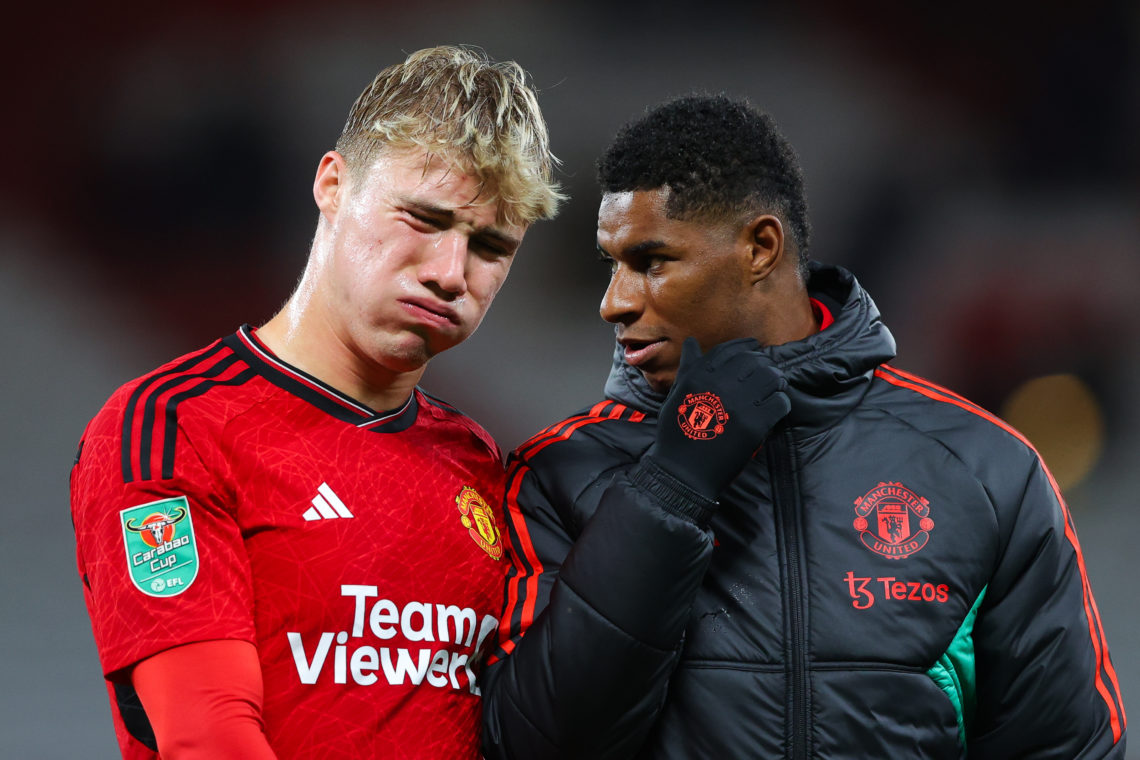


Manchester United are expected to sell Marcus Rashford and Rasmus Hojlund this summer but the transfer fees will hardly help to afford Elliot Anderson.
Reports this week suggest Manchester United are sticking to Marcus Rashford’s £26m buy option despite Barcelona wanting to negotiate a lower fee.
Over in Italy, Napoli want to sign Hojlund permanently and there is a £38m obligatory buy clause if they qualify for the Champions League this season. It seems all parties are working to get that deal done as soon as possible.
What is Marcus Rashford truly worth in 2026 after his Barcelona loan?
Barcelona have a £26m buy option for Marcus Rashford, but what is he actually worth in today's market?

Some quick maths reveals that United are therefore about to come into a cash injection of £64m this summer. Considering top target Elliot Anderson has a £75m price tag, it seems that sales almost cover his arrival.
But football finances are never quite that simple, and a glance at United’s accounts tells a completely different story. Sadly, the sales of Marcus Rashford and Rasmus Hojlund will hardly make a dent on the club’s transfer debt.

Elliot Anderson deal complicated by £324m Man Utd transfer debt
Analysis from football finance expert Adam Williams reveals that United’s transfer debt stands at £540m as of the latest Q1 accounts.
Incredibly, £324m of that figure is owed by September this year. United are due to collect £77m in transfer instalments of their own, but that still leaves a huge fee to cover for Ineos.
The imminent sales of Rashford and Hojlund, and the exits of high-earners such as Casemiro and Jadon Sancho will help to free up funds.
But covering transfer debt will take priority over a high-profile signing like Elliot Anderson.
It explains why Champions League qualification is essential to signing Anderson, as United will need the extra injection of over £100m in prize money from the prestigious European competition.
A top-five finish has become extremely important for the Red Devils.
Man United’s alarming transfer debt keeps growing
United have been addicted to ‘rebuilding’ over the last decade, following the same cycle of hiring a manager and trying to back them with hundreds of millions in the transfer market, only to head in a completely different direction a year or two later.
Not playing in the Champions League in the last two seasons has had a disastrous effect, lowering sponsorship payment, matchday income and prize money earnings.
Manchester United’s ALARMING transfer debt
Who's to blame here? 🤔

Ineos spent £232m on five signings last summer to try and get the club back to where it belongs, but the cost spread of those arrivals is still being paid off.
READ MORE: Inside Manchester United’s £31m UEFA windfall: Player bonuses, hidden £9m cost, Glazers’ influence
The £540m still owed to clubs is the highest transfer debt of any club in the Premier League, and spending will have to slow down if United cannot find a way to boost their income.
Ineos have launched ‘Project 90’ in an attempt to balance the club’s books, but the spending has been unsustainable and that means the transfer budget in 2026 will take a hit.
Receive a digest of our best United content each week direct to your mailbox