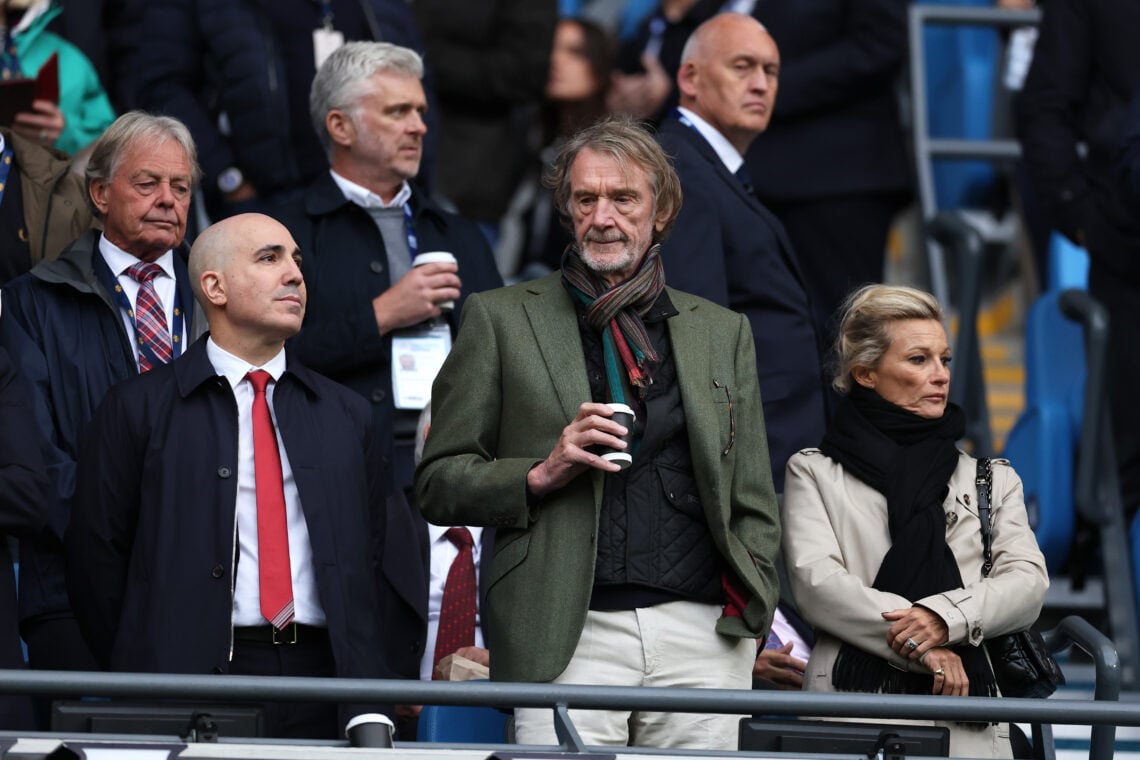


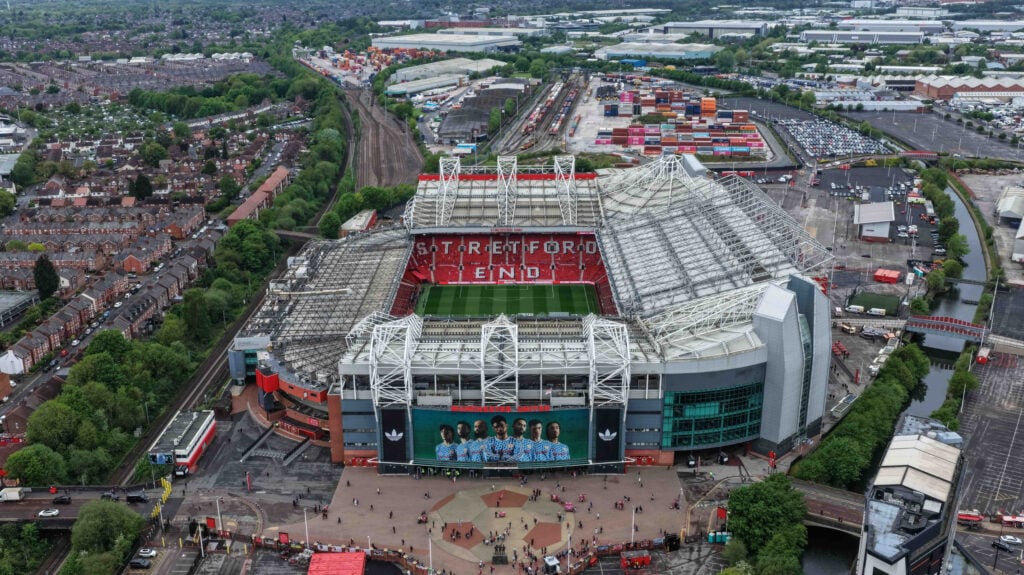
Manchester United’s new stadium took vital steps forward in recent weeks, but there remains one huge question as to how the new Old Trafford will be funded.
Over the past few weeks, Manchester United acquired land for the new stadium, situated on Wharfside, opposite the Freightliner land, which became unfeasible.
This was the main hurdle preventing United from beginning work on the grand new 100,000-seater capacity stadium, but that won’t be the case any longer.
However, with Andy Burnham no longer the mayor of Manchester, set to become the Prime Minister of the United Kingdom instead, there will also be questions around funding. Burnham supported the government funding the regeneration but not the stadium itself, which leaves Sir Jim Ratcliffe potentially needing to take drastic steps.
What price, if any, would you accept to sell the naming rights for Old Trafford?
Heritage Vs. Revenue

Sir Jim Ratcliffe might have to sell Manchester United stake for new stadium
GRV Media’s head of football finance, Adam Williams, has suggested that United might struggle to build the new stadium without selling stakes in the club.
Williams pointed to five reasons for this.
- (A) Higher interest rates than Spurs
- (B) A higher overall cost than Spurs
- (C) United already have huge existing debts before stadium build
- (D) Major costs associated with running the stadium after construction
- (E) An alternative to selling a stake is fleecing fans
“Tottenham built their stadium at a time when interest rates were at historic lows. A lot of their debt was at fixed rates between two and three per cent. Now, the baseline Bank of England rate is 3.75 per cent. And the lenders that United will be approaching will ask for a premium on top of that.
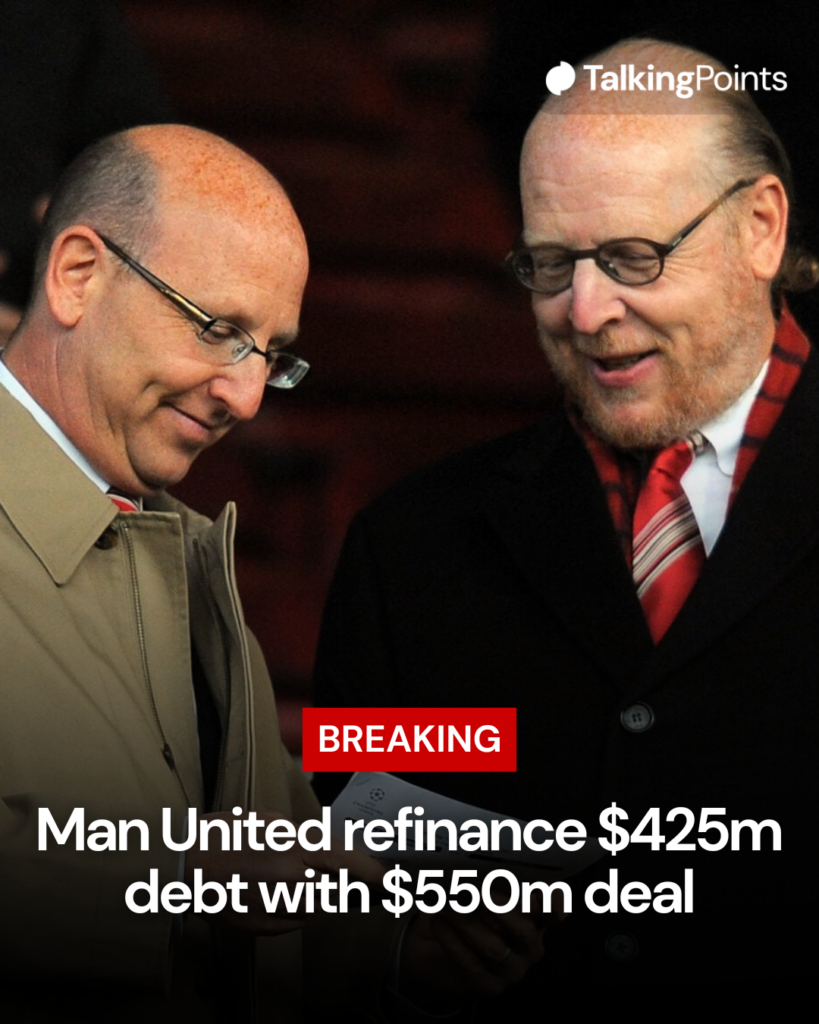
“The $425m notes they recently refinanced, for example, was at 5.36 per cent. But the cost of borrowing may well increase when lenders look at their risk profile, too. Spurs had next to no debt when they took out the loans for the stadium; United have about £1.4bn today, before you exclude transfer debt. On top of that, Ineos have had their credit rating downgraded by several agencies in recent months and years, so there’s less security from outside sources too, which again inflates the rate that United will pay. So, for all intents and purposes, United are probably going to be paying double Spurs’ interest rate.
“On top of that, you have the fact that construction itself costs a lot more these days. Raw materials and labour have both been impacted by geopolitical issues and supply chain shocks. Most of the experts I’ve spoken to think that the £2bn that United say they need to build the stadium is optimistic. And it’s a truism that massive capital expenditure projects almost always come in late and over budget. So United need to A) borrow more principal than Spurs and B) pay a higher rate of interest.
“It’s going to be a monumentally complex financing project – we’ll see a combination of personal seat licenses, bonds, loans, maybe equity, naming rights and so on to fund it. Whether they can actually make it work or not depends on how much revenue they can make from the stadium, set against the interest payments and the costs of actually running the stadium.
“Spurs have nearly quadrupled their matchday income since the move from White Hart Lane, for example, but they are still losing money most years. There are other factors there beyond interest payments and costs, but it does illustrate that it’s not as simple as getting, say, an extra £100m in matchday income and sponsorship and that offsets interest payments. You need to look at the profit the asset generates, not the revenue.
“With all that said, I don’t see how they get this done without A) selling a stake in the club or the stadium as a standalone business, B) doing another IPO, or C) fleecing fans so much at the new stadium and commercialising to an extent that, yes, it raises sufficient revenues to offset interest payments in the short term but corrodes the club’s soul in the long term.”
Man Utd refinance $425m of debt with $500m deal – Are you worried? Or is this all just part of Sir Jim’s masterplan?
What is your message Glazers on this debt issue?
New stadium timeline feels likely to be pushed further back
United’s new stadium was planned to be done by 2031 when it was originally announced back in 2025, but now, we are five months from 2027, and construction has yet to commence.
The funding will now become the biggest question of how feasible a deal is.
United have plenty of options to fund the stadium, but each one takes time and doesn’t exactly indicate that there will be a smooth build start to finish.
United want to host the 2035 women’s Euros final, and that will likely be the new goal for the project, with nine years from now to get it done.
Once construction starts, the timeline can actually be settled on, but until then, it will be pushed back, and back.
Receive a digest of our best United content each week direct to your mailbox